CNC Machining for Medical Devices In Australia Growth Opportunities
Rapid Manufacturing
Author
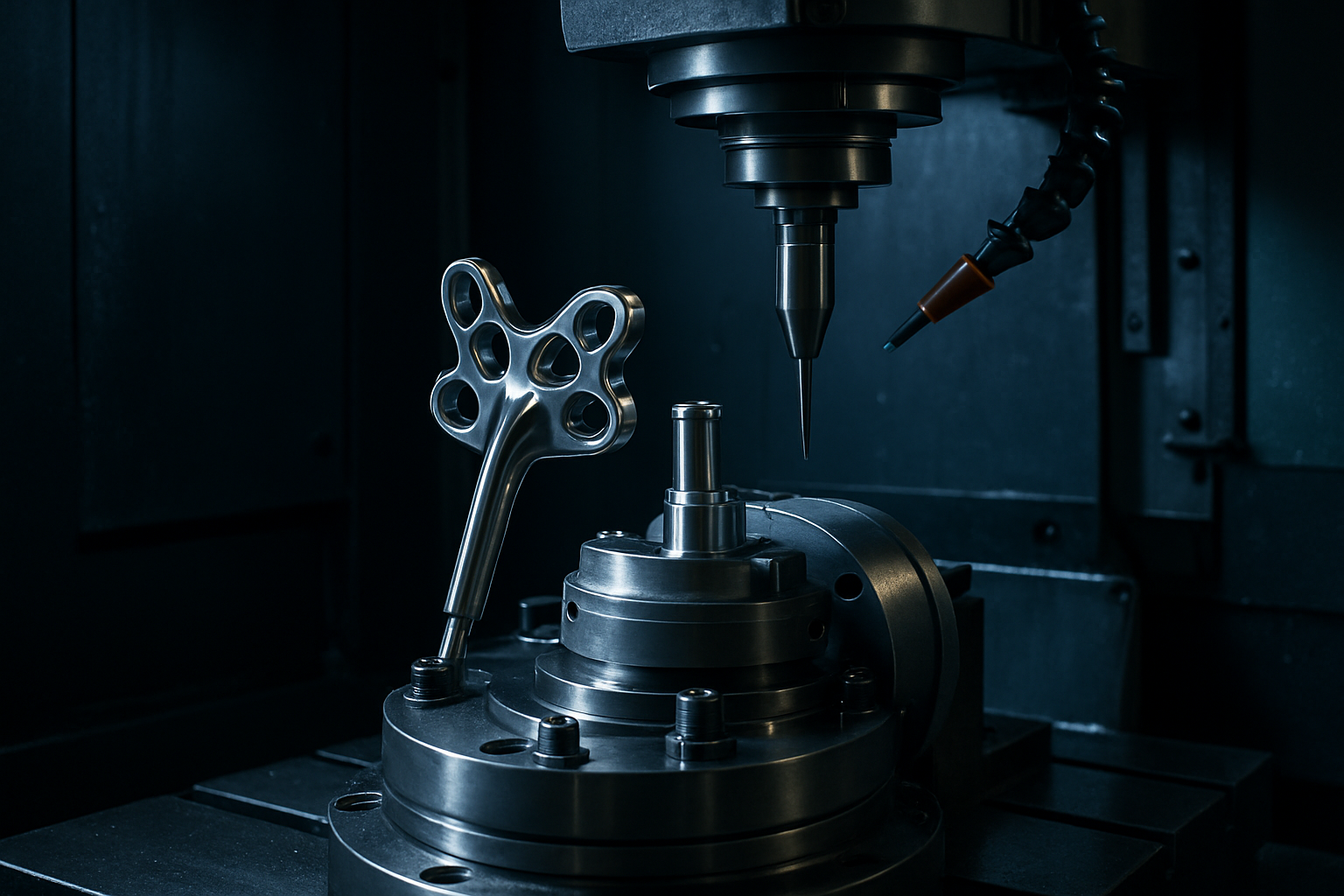
Understanding CNC Machining for Medical Devices in Australia
CNC machining is a cornerstone process for manufacturing medical devices in Australia due to its precision and versatility. Engineers, procurement managers, and manufacturing professionals often face specific challenges when sourcing and producing components that meet stringent quality standards and regulatory requirements.
Material Recommendations for Medical Device Components
Choosing the right material is critical for performance and compliance with industry standards such as AS/NZS 4819 (Australian/New Zealand Standard for medical devices). Here are some top choices:
-
Aluminium 6061: Ideal for lightweight, non-toxic components. Billet cost ~$35/kg. Suitable for prototypes due to ease of machining and cost-effectiveness.
-
Stainless Steel 316: Durable, corrosion-resistant metal suitable for implants and surgical instruments. Billet cost ~$90/kg. Offers excellent biocompatibility but requires more complex post-processing.
-
Titanium (Ti-6Al-4V): Provides high strength-to-weight ratio and good biocompatibility. Billet cost ~$550/kg. Best suited for critical applications like implants where weight is a concern, though machining costs can be significantly higher.
-
PEEK (Polyether Ether Ketone): A thermoplastic with excellent mechanical properties and sterilization tolerance. Pellets cost ~$1200/kg, machined parts are expensive but offer superior chemical resistance compared to metals.
Common Mistakes to Avoid
Navigating the complexities of medical device manufacturing requires vigilance against common pitfalls:
-
Ignoring Regulatory Compliance: Always ensure your components meet AS/NZS 4819 and other relevant Australian standards. Non-compliance can lead to costly recalls or delays.
-
Miscalculating Lead Times: Overlooking the intricacies of material availability, machining complexity, and post-processing steps can extend project timelines by months. For complex stainless steel implants, lead times may be 6–8 weeks from design to delivery.
-
Neglecting Post-Machining Treatments: Surface treatments like electropolishing for stainless steel are essential to meet biocompatibility standards and reduce bacterial adhesion. Fail to account for these steps, and you risk non-compliance with safety requirements.
-
Failing to Optimize Part Design: Poor design can lead to unnecessarily high material costs or machining difficulties. Always consult with your manufacturing team early on to refine the design for efficient production.
Decision Frameworks
Choosing between materials requires a nuanced approach based on application needs and cost constraints:
-
Choose Aluminium 6061 when lightweight components are needed and budget is limited, ideal for non-critical medical devices such as surgical trays or support equipment.
-
Opt for Stainless Steel 316 when the component will be in direct contact with bodily fluids or tissue, ensuring durability and biocompatibility but prepared to handle higher material costs.
-
Use Titanium when weight reduction is critical and high strength-to-weight ratio is necessary, such as in orthopedic implants. Budget for more expensive machining due to slower speeds required by titanium's hardness.
-
Consider PEEK when chemical resistance or sterilization tolerance is paramount, especially in devices that will be autoclaved regularly or exposed to harsh cleaning agents.
Quick Reference
- Lead Times: 6–8 weeks for complex stainless steel parts; shorter for simpler designs and non-metallic materials.
- Costs: Material costs vary widely: Aluminium 6061 ~$35/kg, Stainless Steel 316 ~$90/kg, Titanium ~$550/kg, PEEK ~$1200/kg.
- Standards Compliance: Ensure all components meet AS/NZS 4819 and relevant industry standards.
Practical Takeaway
Understanding the material properties, machining capabilities, and regulatory requirements is essential for successful medical device manufacturing in Australia. By adopting a proactive approach to materials selection, design optimization, and compliance with local standards, manufacturers can reduce costs, improve product quality, and expedite time-to-market without compromising on safety or efficacy.
For specific project needs, consulting directly with experienced CNC machining service providers will ensure that all technical and regulatory requirements are met efficiently.
Free quote in 2 business days. No minimum order.