CNC Machining for Medical Devices In Australia Growth Opportunities
Rapid Manufacturing
Author
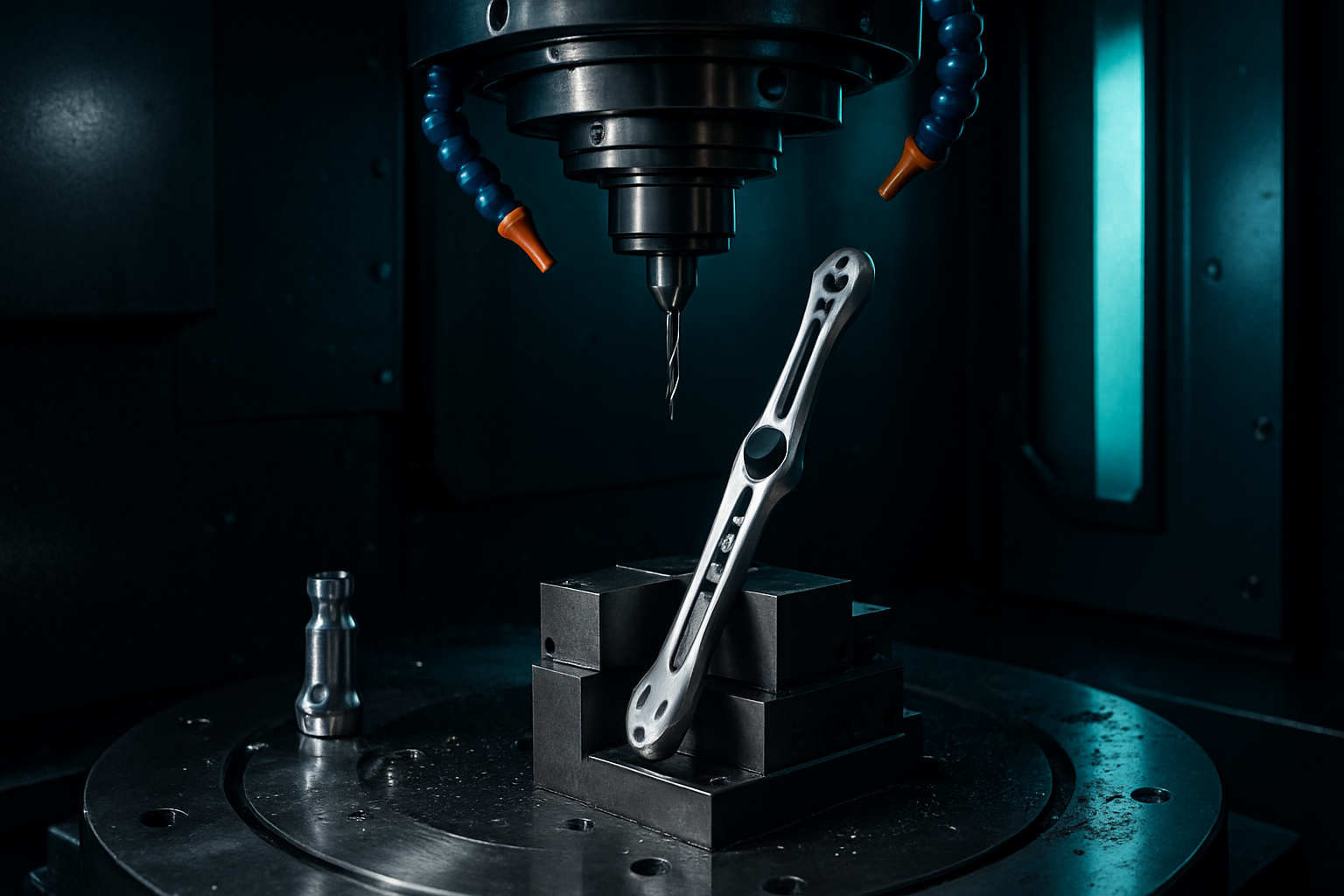
CNC Machining for Medical Devices in Australia: A Comprehensive Guide
CNC machining is a critical process in the fabrication of medical devices in Australia due to its precision and capability to handle complex geometries. As Australian engineers, procurement managers, and manufacturing professionals, understanding how to effectively utilise this technology can significantly impact the quality and cost-effectiveness of your products.
Material Selection: Key Considerations for Medical Devices
Choosing the right material is paramount when CNC machining medical devices. Here are some common choices with their pros and cons:
-
Aluminium 6061: Lightweight, corrosion-resistant, and relatively inexpensive at approximately $25–45/kg in Australia. Suitable for prototypes or non-critical components where strength-to-weight ratio is a priority.
-
Stainless Steel 316: Offers superior biocompatibility, durability, and resistance to corrosive environments. It costs around $70–130/kg, making it ideal for surgical tools and implants.
-
Titanium (Ti Grade 2/4): Extremely strong yet lightweight with excellent fatigue resistance and biocompatibility. Titanium is priced between $500–800/kg, suitable for high-performance medical devices like orthopedic implants.
-
PEEK: Polyether ether ketone (PEEK) has exceptional mechanical strength, chemical stability, and thermal properties. It’s particularly useful in applications where X-ray transparency or MRI compatibility is required. PEEK costs around $800–1,600/kg, making it a premium choice for demanding medical applications.
Tolerances and Lead Times: Precision and Efficiency
Medical devices require tight tolerances to ensure safety and efficacy. Common tolerances range from ±0.05mm for less critical components up to ±0.01mm for high-precision parts such as surgical instruments or implantable devices.
Lead times can vary widely based on complexity, material availability, and demand. Simple parts might be ready in 2–3 weeks, while complex assemblies could take 4–8 weeks. To manage lead times effectively:
- Plan ahead: Anticipate supply chain disruptions by ordering materials early.
- Optimize designs: Simplify geometries where possible to reduce machining time and costs.
Common Mistakes and Best Practices
Avoid these common pitfalls when CNC machining medical devices:
- Ignoring Regulatory Requirements: Ensure compliance with relevant Australian Standards (AS/NZS) for medical products, including sterilization methods and biocompatibility tests.
- Overlooking Machining Costs: In Australia, CNC machining rates typically range from $120 to $300/hr depending on the complexity of the machine setup. Always request a cost breakdown before production starts.
- Failing to Prototype Early: Prototyping helps identify design flaws early in development, saving significant costs later on.
Quick Reference for Medical Device CNC Machining
-
Material Selection:
- Aluminium: Suitable for prototypes and lightweight components
- Stainless Steel 316: Ideal for surgical tools due to biocompatibility
- Titanium: Best for high-performance parts requiring strength and lightness
- PEEK: Preferred where X-ray or MRI compatibility is essential
-
Tolerances:
- General Components: ±0.05mm
- High-Precision Parts: ±0.01mm
-
Lead Times:
- Simple Parts: 2–3 weeks
- Complex Assemblies: 4–8 weeks
By adhering to these guidelines and being mindful of the nuances specific to the Australian manufacturing landscape, you can ensure that your medical devices meet both performance and regulatory standards while optimizing cost efficiency.
Practical Takeaway for Immediate Application
Before starting any new project involving CNC machining for medical devices in Australia, conduct a thorough feasibility study focusing on material availability, compliance with AS/NZS standards, and potential supply chain disruptions. This proactive approach will not only streamline your development process but also enhance the quality and market readiness of your products.
Free quote in 2 business days. No minimum order.