CNC Machining Precision for Medical Devices in Australia
Rapid Manufacturing
Author
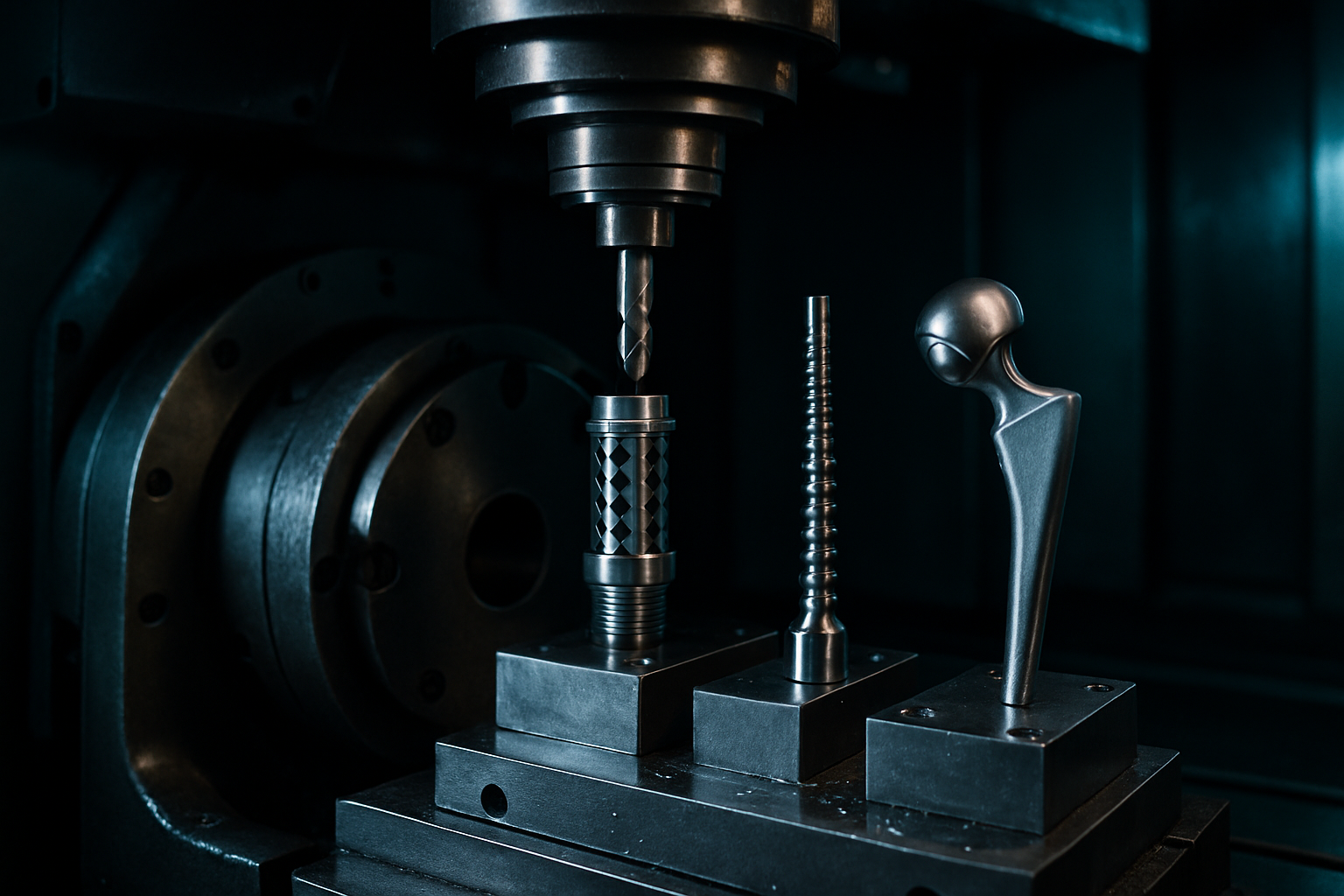
Introduction to CNC Machining for Medical Devices in Australia
CNC machining is a cornerstone process for manufacturing medical devices due to its precision and versatility. In Australia, where stringent regulatory requirements and exacting standards are prevalent, selecting the right materials and processes is crucial for success. This post provides actionable advice tailored specifically for Australian engineers, procurement managers, and manufacturing professionals.
Selecting Materials: Recommendations & Considerations
Choosing the appropriate material for medical device components is vital due to their direct interaction with human tissue or fluids. Here are some common choices:
- Aluminium 6061: Ideal for non-critical parts requiring lightweight construction and ease of machining at approximately $25–45/kg.
- Stainless Steel 316: Widely used in medical applications due to its corrosion resistance, biocompatibility, and durability. It costs around $70–130/kg.
- Titanium Grade 2: Offers superior strength-to-weight ratio and excellent biocompatibility. However, it is significantly more expensive at about $500–800/kg.
- PEEK (Polyether Ether Ketone): A high-performance thermoplastic with exceptional mechanical properties and resistance to sterilization methods. PEEK costs approximately $800–1600/kg.
When selecting materials, consider the part's intended use, regulatory compliance requirements, and material availability within Australia’s supply chain. Ensure that chosen materials comply with Australian Standards such as AS/NZS 4325 for surgical implants and other relevant ISO standards.
Common Mistakes to Avoid
- Underestimating Material Costs: Always factor in fluctuating metal prices when budgeting. For instance, the price of aluminium can vary widely based on global supply chains.
- Ignoring Lead Times: Australian CNC machining lead times can range from 1–4 weeks depending on part complexity and material availability. Plan accordingly to avoid project delays.
- Neglecting Part Tolerances: Medical devices often require tight tolerances (e.g., ±0.025 mm). Ensure that your design specifications clearly state these requirements and align with the capabilities of your chosen machining shop.
Decision Framework: Choosing Between Machining Processes
When deciding between different CNC machining processes, consider the following:
-
Choose Milling Over Turning for Complex Geometries: If your part requires intricate shapes or features that are difficult to produce via turning alone, milling is often a better choice. However, it may result in longer lead times and higher costs.
-
Select Wire EDM When Precision Cuts Are Essential: For parts with thin walls, complex curves, or when material hardness poses machining challenges, consider wire electrical discharge machining (EDM). This process allows for tight tolerances but comes at a premium cost.
Quick Reference: Key Specs & Decision Points
-
Material Cost Range:
- Aluminium 6061 ~$25–45/kg
- Stainless Steel 316 ~$70–130/kg
- Titanium Grade 2 ~$500–800/kg
- PEEK ~$800–1,600/kg
-
CNC Machining Lead Times: 1–4 weeks (depending on complexity and material availability)
-
Typical Tolerances for Medical Devices: ±0.025 mm for critical components
Takeaway: Immediate Action Step
When embarking on a new medical device project, start by creating a detailed bill of materials that specifies all required parts with their associated tolerances and material grades. This document will streamline communication with CNC machining shops and help ensure that your prototypes meet both functional requirements and regulatory standards.
By adopting these best practices, you can enhance the efficiency and effectiveness of your medical device manufacturing projects in Australia.
Free quote in 2 business days. No minimum order.