CNC Machining for Medical Devices Australia Precision Manufacturing
Rapid Manufacturing
Author
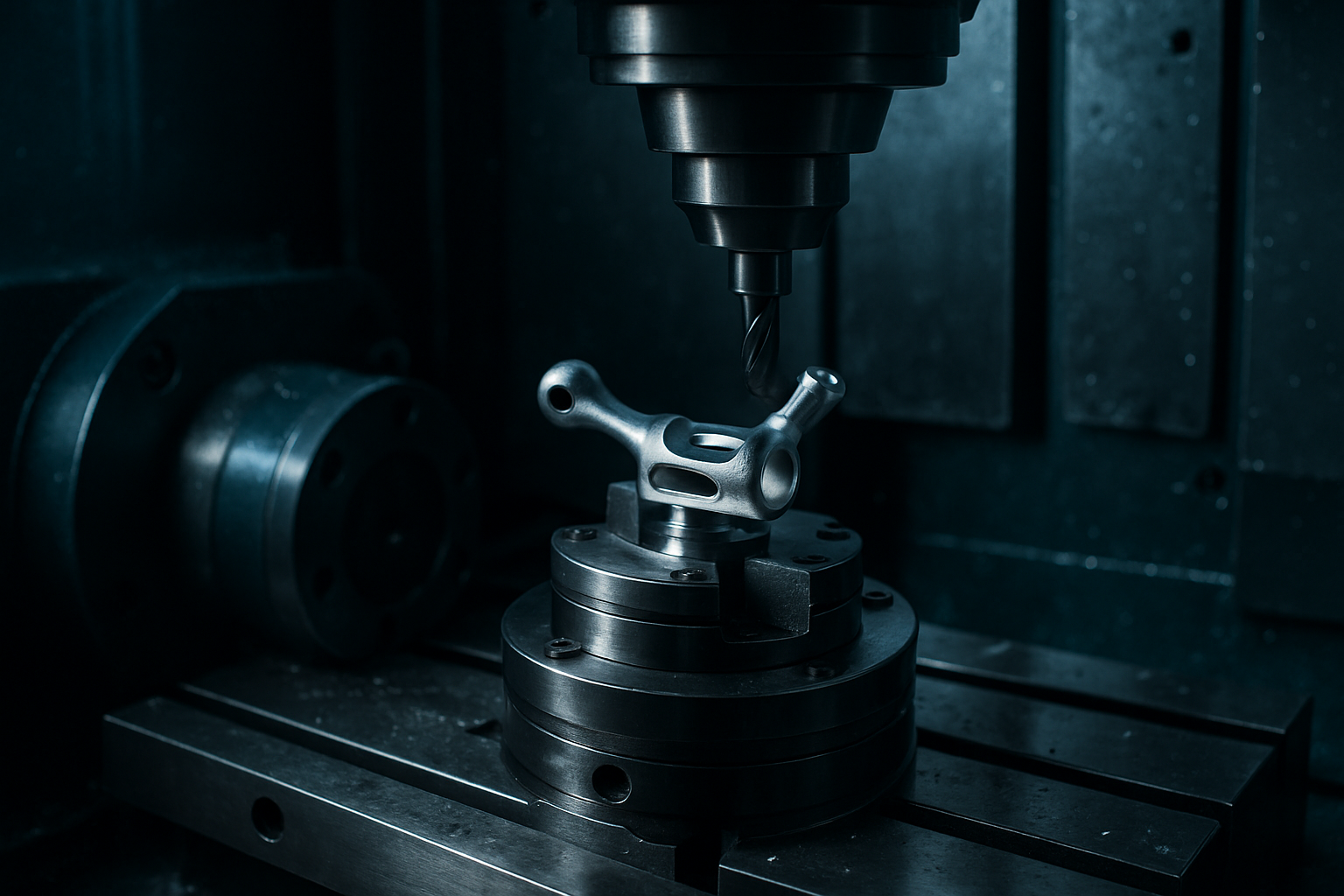
Introduction to CNC Machining for Medical Devices in Australia
CNC (Computer Numerical Control) machining is a critical process for manufacturing precision medical devices in Australia. With stringent regulatory requirements and high standards for quality and safety, Australian engineers and manufacturers must navigate complex material choices, tight tolerances, and efficient supply chains. This post aims to provide actionable guidance for those involved in the design and production of medical components, offering insights into selecting materials, avoiding common pitfalls, and leveraging CNC capabilities effectively.
Material Selection: Tailoring Choices to Medical Needs
Selecting the right material is foundational to the success of a medical device project. In Australia, aluminium 6061, stainless steel 316L, titanium Ti-6Al-4V, and PEEK (Polyether Ether Ketone) are commonly used due to their biocompatibility, mechanical properties, and ease of processing.
-
Aluminium 6061 is cost-effective and lightweight. It's ideal for prototypes or non-load-bearing components where a high strength-to-weight ratio is needed. Billet costs approximately $25–45/kg.
-
Stainless Steel 316L offers excellent corrosion resistance, making it suitable for implants and surgical instruments. Its billet price ranges from $70 to $130/kg.
-
Titanium Ti-6Al-4V is highly durable and biocompatible, often used in orthopedic devices and dental implants. It's expensive at around $500–800/kg but essential for applications requiring long-term performance.
-
PEEK, a high-performance polymer, provides excellent wear resistance and can be sterilized repeatedly. Its billet price is approximately $800–1,600/kg, making it cost-prohibitive for larger parts.
Common Mistakes to Avoid
Mistakes in CNC machining can lead to wasted time, material costs, and compromised device performance. Here are some critical errors to avoid:
-
Underestimating Tolerances: Medical devices often require tight tolerances (e.g., ±0.1 mm) due to the nature of their application. Insufficient control over these tolerances can result in non-functional parts.
-
Ignoring Material Properties: Each material has unique properties that affect machinability and performance. For instance, titanium's hardness requires slower machining speeds compared to aluminium.
-
Neglecting Regulatory Compliance: Australian medical devices must adhere to strict standards such as AS/NZS 4815:2007 (Medical Devices - Quality Management System) and ISO 13485. Ensure that all components meet these requirements before production begins.
-
Poor Fixture Design: Inadequate clamping can lead to part deformation, requiring additional machining or scrapping the component altogether.
Decision Framework for CNC Machining Medical Devices
When choosing between different materials, processes, and machine types, consider the following decision points:
-
Choose Aluminium 6061 when you need a lightweight material that offers good mechanical properties at an affordable price point. It's particularly suitable for prototypes or non-critical components.
-
Select Stainless Steel 316L when corrosion resistance is paramount and you are working on surgical instruments or implants intended for use in corrosive environments like the human body.
-
Opt for Titanium Ti-6Al-4V when long-term durability and biocompatibility are required, especially in orthopedic applications. Its high cost justifies its use where performance outweighs initial expenses.
-
Consider PEEK when flexibility and sterilizability are key requirements, such as for surgical guides or prosthetic components that undergo repeated sterilization cycles.
Quick Reference: Key Specifications and Decision Points
- Tolerances: ±0.1 mm for critical medical applications
- Material Cost (kg):
- Aluminium 6061: $25–45/kg
- Stainless Steel 316L: $70–130/kg
- Titanium Ti-6Al-4V: $500–800/kg
- PEEK: $800–1,600/kg
- Regulatory Standards: AS/NZS 4815:2007, ISO 13485
Practical Takeaway for Immediate Application
To ensure the success of your next medical device project, start by thoroughly understanding the material properties and regulatory requirements relevant to your application. Engage with a CNC machining expert early in the design phase to optimize part geometry and reduce unnecessary costs. By following these guidelines and leveraging Australian expertise and standards, you can produce high-quality medical devices that meet both functional and compliance criteria.
This practical approach will not only streamline your manufacturing process but also enhance the safety and efficacy of the medical devices you develop for the Australian market.
Free quote in 2 business days. No minimum order.