CNC Machining Precision for Medical Devices in Australia
Rapid Manufacturing
Author
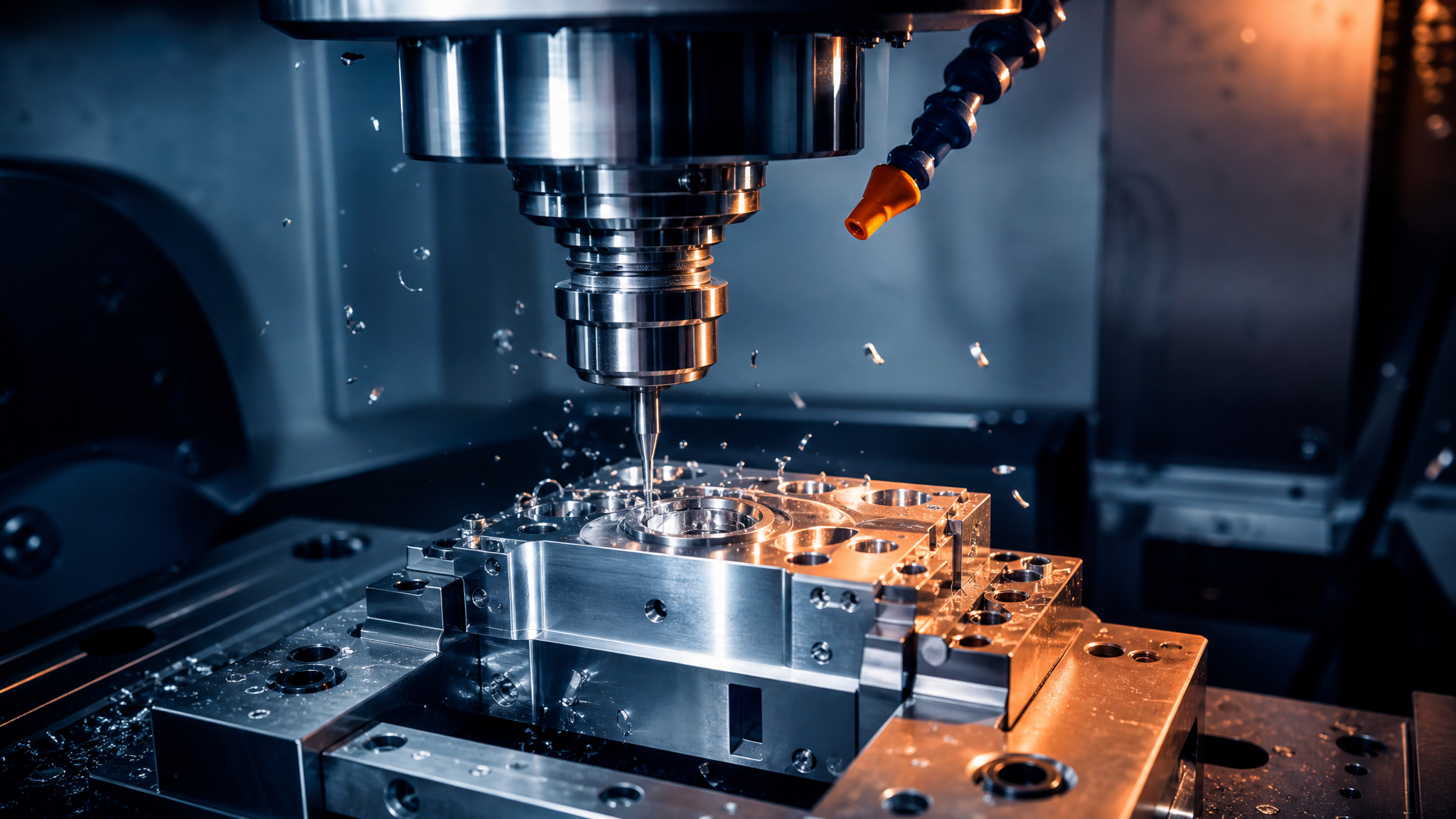
The Role of CNC Machining in Australian Medical Device Manufacturing
CNC machining has become an indispensable technology in the manufacturing industry, particularly within Australia's medical device sector. With its precision and versatility, CNC machining allows manufacturers to produce intricate components required by high-tech medical equipment. In Australia, where there is a strong emphasis on innovation and quality control, this technology plays a crucial role in meeting stringent regulatory requirements while maintaining cost efficiency.
Material Selection for Medical Devices
When it comes to selecting materials for medical devices, precision and biocompatibility are paramount. Titanium alloys, stainless steel, and various grades of plastic such as PEEK (Polyether Ether Ketone) are commonly used due to their durability and ability to withstand sterilization processes without compromising the integrity of the device. In Australia, local manufacturers must also consider sustainability in material selection, aligning with the broader national push towards reducing environmental impact.
For example, when designing a spinal implant, engineers might opt for titanium alloy Ti6Al4V because of its strength-to-weight ratio and low modulus of elasticity compared to stainless steel. This material choice not only ensures structural integrity but also enhances patient comfort by mimicking bone density more closely.
Process Optimization in Australian Manufacturing
Efficient process optimization is critical when using CNC machines to produce medical devices, especially given the high standards required within the healthcare industry. In Australia, manufacturers often leverage advanced software and digital toolpaths to streamline production workflows, reduce waste, and enhance product quality.
One way this manifests is through simulation and analysis tools that allow engineers to test designs virtually before committing to physical prototypes or full-scale production runs. This approach saves both time and resources by identifying potential issues early on in the development cycle.
Additionally, integrating IoT (Internet of Things) devices can provide real-time monitoring capabilities for CNC machines, enabling predictive maintenance strategies which further enhance operational efficiency. By tracking machine performance data over time, manufacturers can anticipate when parts may need replacement or recalibration, preventing unexpected downtime that could delay production schedules.
Ensuring Compliance and Quality Control
Maintaining stringent quality control measures is non-negotiable in the medical device industry, especially under Australian regulatory frameworks like TGA (Therapeutic Goods Administration). Adhering to these guidelines requires meticulous attention to detail during every stage of CNC machining processes—from initial design conception through final assembly.
To ensure compliance and achieve superior product quality, it’s essential for manufacturers to establish robust documentation practices. This includes maintaining comprehensive records of material sourcing, machine settings used during production, and results from all testing phases. Such thorough record-keeping not only aids in regulatory audits but also facilitates continuous improvement initiatives aimed at refining manufacturing processes.
Practical Tip: Leverage Local Expertise
Collaborating with local engineering firms that specialize in medical device manufacturing can offer unique advantages for Australian companies looking to excel in this competitive field. These experts are well-versed in navigating the nuances of both domestic regulations and technological advancements specific to Australia’s industrial landscape.
By partnering closely, you gain access not only to cutting-edge machinery but also to valuable insights about market trends and patient needs that drive innovation forward within your industry segment.
Free quote in 2 business days. No minimum order.