CNC Machining for Marine Offshore Australia Precision Parts
Rapid Manufacturing
Author
Introduction to CNC Machining in Marine and Offshore Industries in Australia
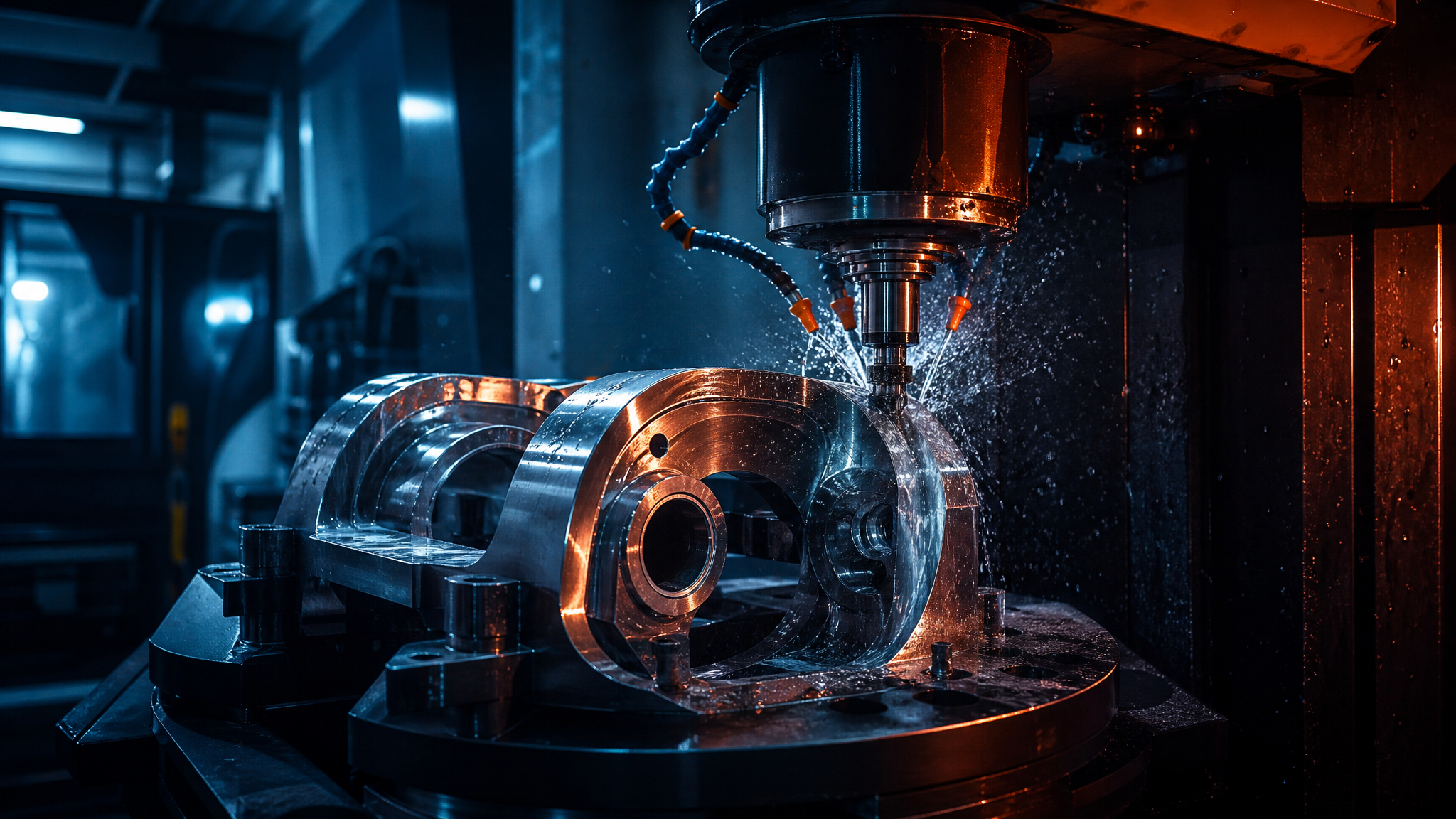
CNC (Computer Numerical Control) machining has become an indispensable technology in the Australian marine and offshore sectors. This advanced manufacturing technique offers unparalleled precision, flexibility, and efficiency in producing complex parts required for shipbuilding, oil rig construction, and underwater equipment fabrication. For Australian engineers and procurement managers working in these industries, understanding how to leverage CNC machining can significantly enhance productivity and quality.
Materials and Processes Tailored for Marine Environments
Australian marine environments are harsh, characterized by saltwater corrosion, high humidity, and extreme temperature variations. Therefore, the choice of materials is critical. Stainless steel, titanium alloys, and composites like carbon fiber reinforced plastic (CFRP) are popular due to their durability and resistance to environmental factors.
CNC machining processes such as milling, turning, and drilling enable precise shaping and cutting of these materials. For instance, when manufacturing propeller shafts for large commercial vessels, a combination of CNC turning and precision milling ensures that the parts meet exact specifications regarding diameter tolerance and surface finish. This is essential in reducing friction and improving fuel efficiency.
Customization and Prototyping: A Competitive Advantage
Innovation is key to staying ahead in the highly competitive Australian marine and offshore industry. One area where CNC machining shines is in rapid prototyping and customization. Engineers can quickly iterate on designs, testing various configurations without significant upfront costs or delays.
For example, a local company developing innovative underwater drones might start with basic prototypes using aluminum for its ease of machining and cost-effectiveness. Once the design is finalized, they could switch to more durable materials like stainless steel or titanium for commercial production. This approach not only accelerates time-to-market but also allows for feedback-driven improvements.
Ensuring Compliance and Safety Standards
Safety and compliance are paramount in marine and offshore operations. Australia adheres strictly to international maritime standards such as ISO 9001, AS/NZS 4819 (Naval Architecture), and others specific to oil rig construction and operation. CNC machining plays a crucial role here by enabling the precise production of parts that meet these rigorous specifications.
For instance, when manufacturing components for offshore platforms, it's essential to adhere to strict safety requirements regarding flammability and structural integrity. CNC machines can produce intricate parts like brackets, connectors, and fasteners with high accuracy and repeatability, ensuring they comply with all relevant regulations and industry standards.
Practical Tip: Embrace Advanced Software Solutions
To maximize the benefits of CNC machining in your marine or offshore projects, consider integrating advanced CAD/CAM software. Tools like SolidWorks, Mastercam, and Fusion 360 allow for seamless design to manufacturing workflows, reducing errors and minimizing rework. These solutions also support simulation capabilities that can predict part performance under real-world conditions before any physical material is cut.
By leveraging these technologies, Australian engineers and procurement managers can streamline operations, enhance quality control, and maintain a competitive edge in the global marine and offshore markets.
Free quote in 2 business days. No minimum order.