CNC Machining for Food Processing Equipment in Australia Boosts Efficiency
Rapid Manufacturing
Author
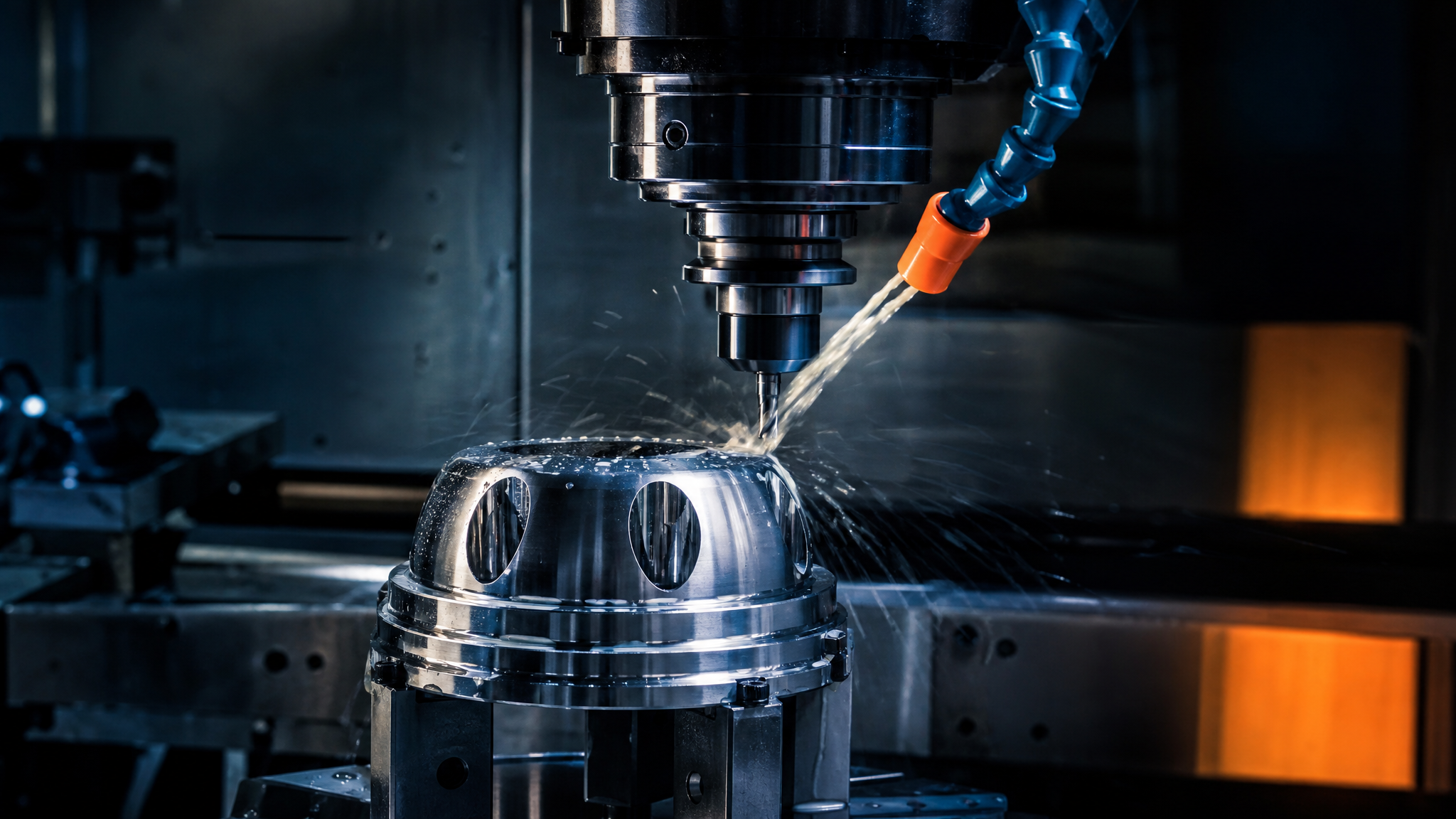
The Role of CNC Machining in Australian Food Processing Equipment Manufacturing
In Australia's food processing industry, precision and hygiene are paramount when it comes to equipment design and manufacturing. One technology that has become increasingly essential is Computer Numerical Control (CNC) machining. This process offers unparalleled accuracy, allowing manufacturers to produce intricate parts and components with minimal waste and maximum efficiency. For Australian engineers and procurement managers involved in the food processing sector, understanding how CNC machining can enhance their operations is crucial.
Materials and Applications
When it comes to manufacturing equipment for the food industry, selecting the right materials is just as important as choosing the appropriate manufacturing methods. Commonly used materials include stainless steel, which offers excellent corrosion resistance and durability, making it ideal for environments where hygiene and cleanliness are critical. Other popular choices include aluminum and plastics that meet FDA standards.
CNC machining excels in producing components such as gears, pistons, bearings, and housings. For instance, a food processor might require precision-machined parts to ensure smooth operation of mixing blades or conveyors. These parts must be free from contaminants and robust enough to withstand the rigorous cleaning processes necessary for food safety.
Local Manufacturing Advantages
Australia's manufacturing sector has seen significant growth in recent years, driven by innovative technology adoption like CNC machining. The Australian context offers unique advantages such as access to high-quality raw materials and a skilled workforce familiar with stringent local regulations regarding food safety and hygiene standards.
Local manufacturers can leverage these benefits by incorporating advanced CNC technologies into their production lines. By doing so, they not only meet the demands of the domestic market but also position themselves competitively in international markets where product quality and compliance are non-negotiable factors.
Practical Tips for Implementing CNC Machining
For those considering integrating CNC machining into their food processing equipment manufacturing processes, here’s a practical tip:
Invest in comprehensive training: Operating CNC machines requires specialized knowledge. Ensuring that your team receives thorough training on machine operation and maintenance will not only enhance productivity but also reduce the risk of costly errors or downtime.
By focusing on continuous learning and improvement, manufacturers can unlock the full potential of CNC machining to drive innovation and efficiency in their food processing equipment production processes.
Free quote in 2 business days. No minimum order.