CNC Machining for Australian Startups: From Prototype to Production
Rapid Manufacturing
Author
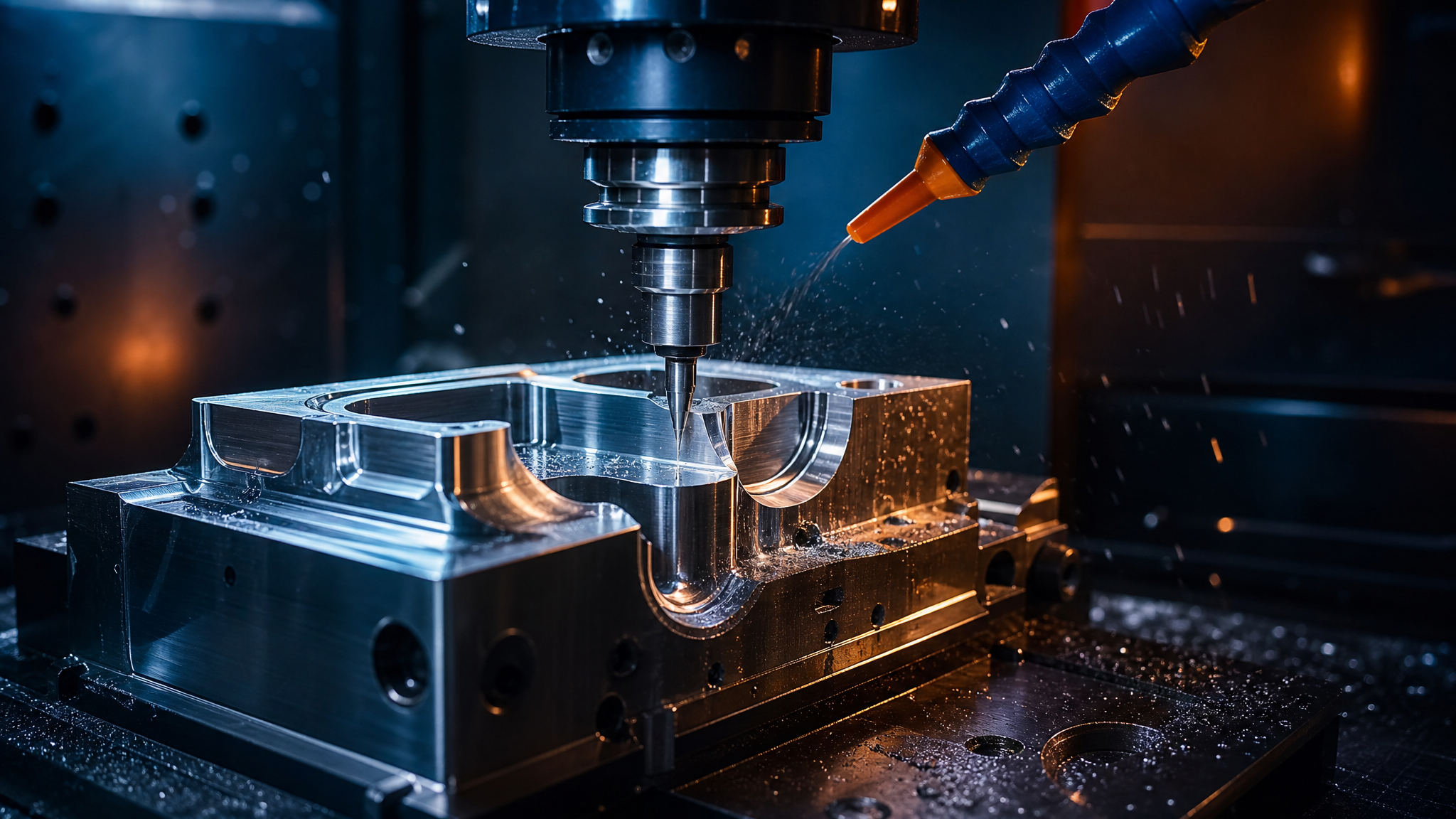
Navigating CNC Machining in Australian Startups: From Prototype to Production
CNC machining is an essential process for many startups looking to bring their product ideas from concept to reality. In Australia's manufacturing landscape, where innovation and quality are paramount, understanding how to leverage CNC technology effectively can be a game-changer. This guide will walk you through the key considerations for Australian engineers and procurement managers navigating this complex yet rewarding process.
Choosing the Right Materials
Selecting the right material is crucial in CNC machining as it directly impacts the performance and cost of your product. In Australia, aluminium is often a top choice due to its versatility and lightweight properties, making it ideal for prototypes and production runs alike. For components requiring higher strength and durability, stainless steel or titanium are excellent options.
Another consideration is local sourcing. Australian manufacturers increasingly prioritise sustainability and support for domestic industries. Opting for locally sourced materials can streamline logistics, reduce carbon footprints, and foster collaboration within the industry. Additionally, using recycled metals like aluminium helps startups comply with environmental regulations while reducing costs.
Prototyping vs. Production
The transition from prototyping to production is a critical phase that requires careful planning and execution. During the prototype stage, focus on material choice, design accuracy, and testing various manufacturing processes. Australian companies often leverage rapid prototyping services offered by local CNC machining shops to iterate quickly without large upfront investments.
Once your product has been refined through multiple iterations, it’s time to move towards production. At this stage, efficiency becomes paramount. Opt for high-speed steel or carbide tools that can handle the volume and maintain precision over extended periods. Also, consider investing in software like CAM (Computer-Aided Manufacturing) systems to automate toolpaths, ensuring consistency across large batches.
Quality Assurance and Cost Optimization
Quality control is non-negotiable when scaling up production. Implement rigorous inspection protocols using metrology tools such as CMMs (Coordinate Measuring Machines). These devices can detect even the slightest deviations from design specifications, ensuring your products meet stringent quality standards expected in Australian markets.
Cost optimization remains a critical challenge for startups. One strategy is to work closely with suppliers who offer economies of scale or bulk discounts. Additionally, exploring lean manufacturing principles can help reduce waste and improve operational efficiency throughout the production line. For instance, adopting 3D printing alongside CNC machining for certain parts could lower material costs while speeding up turnaround times.
Practical Tip: Leverage Australian Industry Networks
To stay ahead in Australia’s competitive manufacturing landscape, leverage industry networks like the Advanced Manufacturing Growth Centre (AMGC) and the Manufacturing Leadership Council. These platforms provide valuable insights into emerging trends, best practices, and collaborative opportunities with other innovative firms. Engaging actively can open doors to new technologies, partnerships, and funding sources that might not be immediately apparent.
By integrating these strategies tailored specifically for Australian startups, you can navigate the complexities of CNC machining from prototypes through full-scale production more effectively.
Free quote in 2 business days. No minimum order.