CNC Machining Precision for Aussie Defence Aerospace
Rapid Manufacturing
Author
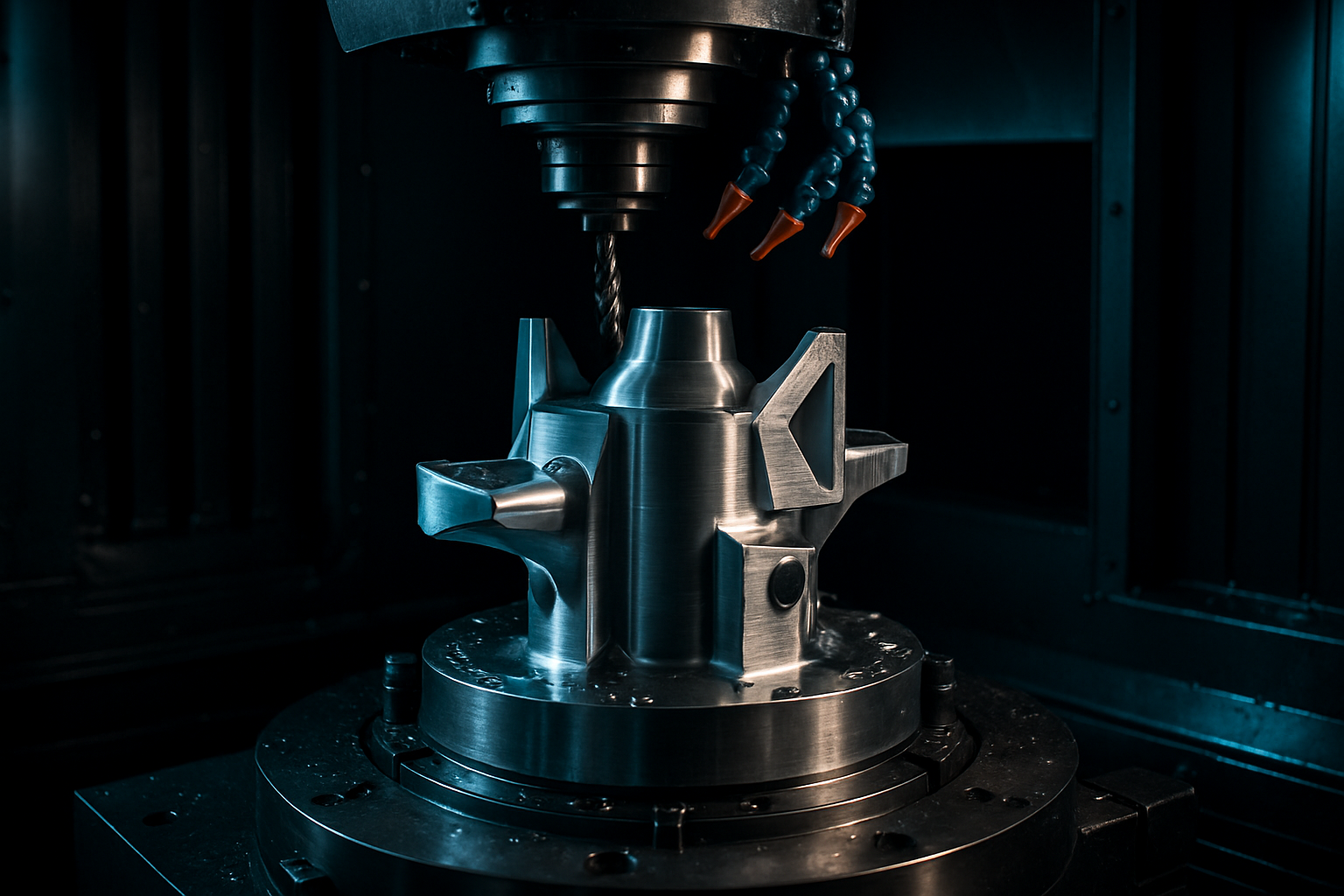
CNC Machining for Australian Defence and Aerospace: A Practical Guide
CNC machining is a cornerstone of modern manufacturing in Australia's defence and aerospace sectors. This guide aims to provide specific, actionable advice tailored to the unique challenges faced by engineers, procurement managers, and manufacturing professionals working on high-precision parts within these industries.
Material Selection and Considerations
When selecting materials for CNC machined components in defence and aerospace applications, it is crucial to consider both performance requirements and cost implications. In Australia, aluminium alloys like 6061 are frequently used due to their excellent strength-to-weight ratio and corrosion resistance. For more demanding applications such as structural parts or fasteners, stainless steel grades like 316 offer superior durability and can withstand harsh environmental conditions.
Key Material Recommendations:
- Aluminium 6061: Ideal for non-critical components where weight reduction is crucial.
- Stainless Steel 316: Suitable for applications requiring high corrosion resistance and mechanical strength.
- Titanium Grades (Ti-6Al-4V): Preferred in defence applications due to their lightweight yet strong properties, though they are significantly more expensive at around $500–800/kg.
Common Mistakes to Avoid
- Neglecting Material Properties: Overlooking material limitations can lead to failed prototypes and high rework costs.
- Ignoring Local Standards: Australian defence projects must adhere to stringent standards like AS/NZS 3837 for explosive safety, which affect machining tolerances and material selection.
- Inefficient Design Practices: Complex geometries may increase manufacturing time and cost. Opt for simpler designs that maintain functionality but reduce lead times.
Decision Frameworks
When choosing between aluminium or stainless steel for a defence part:
- Use aluminium 6061 when weight reduction is paramount, such as in aircraft fuselage components.
- Choose stainless steel 316 if the application requires resistance to corrosive environments and higher durability, like in marine navigation systems.
For aerospace parts, consider titanium grades when extreme performance characteristics (lightweight strength) are required over cost concerns:
- Titanium is the go-to material for critical structural elements where weight savings and mechanical reliability are non-negotiable factors.
Quick Reference
- Material Costs:
- Aluminium 6061: $25–45/kg
- Stainless Steel 316: $70–130/kg
- Titanium (Ti-6Al-4V): $500–800/kg
- CNC Machining Rates: Approximately $120–$300/hr depending on machine complexity and material hardness.
Practical Takeaway
For immediate application, focus on streamlining your part design for manufacturability. Simplify complex geometries where possible to reduce machining times and costs without compromising functionality or performance standards.
By adopting these practical insights, you can enhance the efficiency of CNC machining processes in defence and aerospace manufacturing, ensuring compliance with Australian engineering norms while staying cost-effective and innovative.
Free quote in 2 business days. No minimum order.