CNC Machining Precision For Australian Defence Aerospace
Rapid Manufacturing
Author
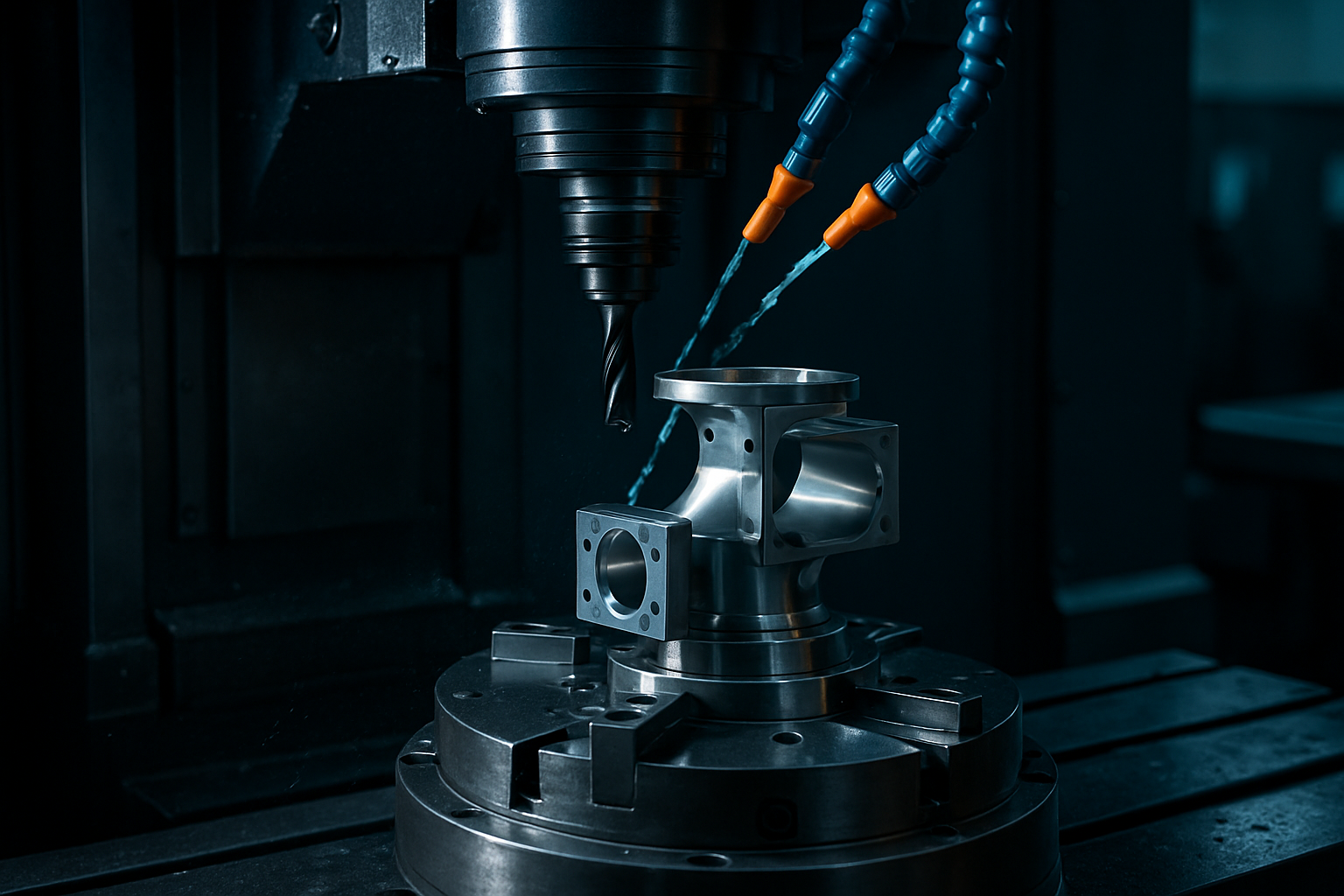
CNC Machining for Defence and Aerospace Applications in Australia: A Practical Guide
CNC machining plays a critical role in producing precision parts and components for the Australian defence and aerospace industries. These sectors require strict adherence to stringent quality standards and tight tolerances, making CNC machining an indispensable process. In this post, we'll delve into material selection, cost considerations, common pitfalls, and decision frameworks tailored specifically for Australian engineers and manufacturing professionals.
Material Recommendations for Defence and Aerospace
Choosing the right material is paramount in defence and aerospace CNC machining due to rigorous environmental conditions and performance requirements. Here are some key recommendations:
- Aluminium 6061: Ideal for lightweight structural components and brackets. Offers good strength-to-weight ratio, corrosion resistance, and ease of processing at a cost of approximately $25–45/kg.
- Stainless Steel 316: Suitable for parts that require high corrosion resistance and durability in harsh environments. Cost ranges from $70 to $130 per kilogram.
- Titanium Ti-6Al-4V: Used extensively in aerospace due to its exceptional strength-to-weight ratio, fatigue resistance, and biocompatibility. However, it is very expensive at around $500–800/kg.
- PEEK (Polyether Ether Ketone): An advanced thermoplastic with excellent chemical resistance, mechanical properties, and flame retardancy, making it suitable for intricate parts that cannot be made from metals due to weight constraints.
Cost Considerations
When budgeting for CNC machining in Australia, consider the following:
- Material Costs: As mentioned above, billet prices vary widely. Ensure you factor these into your overall cost calculation.
- Machining Rates: Average rates range between $120 and $300 per hour depending on machine type and complexity of the part. More complex parts with tight tolerances will be at the higher end of this spectrum.
Common Mistakes to Avoid
Avoiding common pitfalls can save time and money while ensuring your components meet specifications:
- Underestimating Tolerances: Defence and aerospace parts often require extremely precise tolerances (down to ±0.01mm). Ensure all critical dimensions are clear in the design phase.
- Ignoring Material Properties: Each material has unique properties that affect machinability, cost, weight, and performance. Incorrect selection can lead to failures under operational conditions.
- Failing to Validate Suppliers: Australian defence contracts often require suppliers to adhere to stringent standards such as AS/NZS 14000 (ISO 9001) for quality management systems.
Decision Frameworks
To streamline your decision-making process, consider the following guidelines:
- Choose Aluminium 6061 when: Design requirements call for a lightweight material with moderate strength and good corrosion resistance.
- Choose Stainless Steel 316 when: Parts need to withstand corrosive environments or require robustness in high-stress applications.
- Use Titanium Ti-6Al-4V when: Weight savings are critical, and superior mechanical properties outweigh the higher cost.
Quick Reference: Key Specifications for CNC Machining
- Tolerances: ±0.01mm
- Materials: Aluminium 6061, Stainless Steel 316, Titanium Ti-6Al-4V, PEEK
- Lead Times: Varies based on part complexity and material; allow at least 2–4 weeks for complex parts.
- Costs: Material costs vary widely ($25–800/kg); machining rates are $120–$300/hr.
Practical Takeaway
Understanding the nuances of CNC machining in the context of Australian defence and aerospace industries is crucial. By focusing on material selection, cost management, and error prevention, you can ensure that your projects meet both functional and budgetary requirements without compromising on quality or performance standards.
Free quote in 2 business days. No minimum order.