CNC Machining Precision for Aussie Defence Aerospace Industries
Rapid Manufacturing
Author
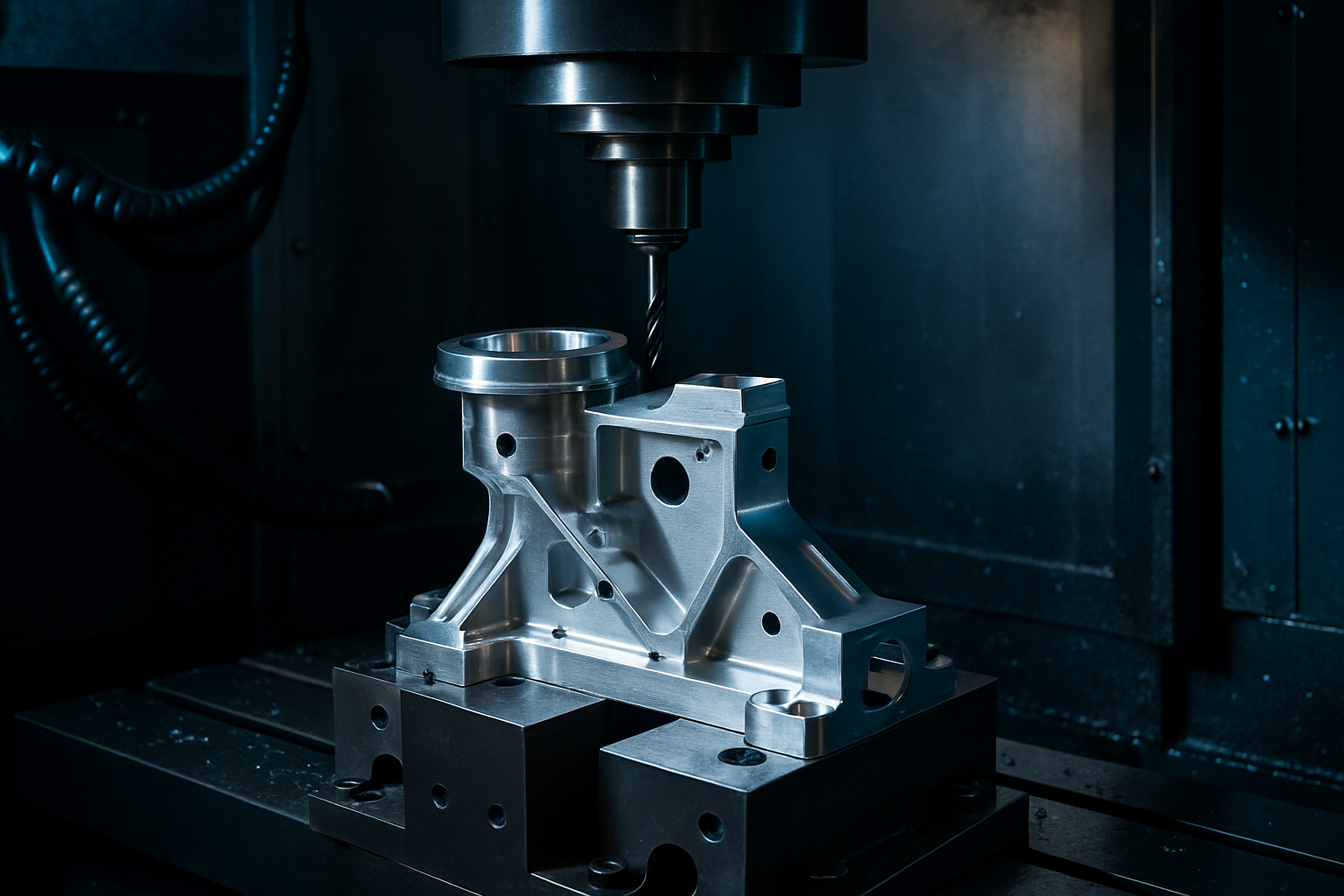
Understanding CNC Machining for Australian Defence and Aerospace Applications
CNC (Computer Numerical Control) machining plays a critical role in the precision manufacturing of components for Australia’s defence and aerospace sectors. Given the stringent requirements these industries demand, it's essential to understand how to leverage CNC technology effectively.
Selecting the Right Material: A Guide for High-Performance Parts
When sourcing materials for defence and aerospace parts, consider durability, weight, corrosion resistance, and temperature stability. Here are some common material choices with their specific benefits:
- Aluminium 6061: Ideal for structural components due to its strength-to-weight ratio and ease of machining. Costs range from $25–45/kg.
- Stainless Steel 316: Offers superior corrosion resistance, making it suitable for marine environments and chemical exposure. Expect costs around $70–130/kg.
- Titanium Grade 2: Valued for its high strength-to-weight ratio and excellent mechanical properties at elevated temperatures. Titanium is costly, ranging from $500–800/kg.
- PEEK (Polyether Ether Ketone): A high-performance thermoplastic with outstanding wear resistance and chemical inertness. Suitable for intricate parts like gears or bearings. PEEK costs around $800–1,600/kg.
Common Mistakes to Avoid in CNC Machining
To ensure optimal performance and cost efficiency in your projects, avoid these common pitfalls:
- Overlooking Material Selection: Choosing the wrong material can lead to part failure under operational stress.
- Ignoring Part Tolerances: Defence and aerospace parts often require tight tolerances (±0.01 mm). Ensure that the machining process is capable of delivering such precision.
- Neglecting Post-Machining Processes: Finishing operations like polishing or anodizing can enhance durability and appearance, but they must be planned in advance to avoid delays.
Decision Frameworks for Efficient CNC Machining
When deciding on material and machining methods, use these frameworks:
- Choose Aluminium 6061 When weight is a critical factor and the component needs to withstand moderate stress.
- Select Stainless Steel 316 When corrosion resistance or exposure to harsh chemicals is expected.
- Opt for Titanium Grade 2 When high strength-to-weight ratio and resistance to elevated temperatures are crucial.
Quick Reference: Key Specifications for CNC Machining Defence/Aerospace Parts
- Material Tolerances: ±0.01 mm for most components; tighter tolerances may be required for certain applications.
- Lead Times: Small batch custom parts typically take 2–4 weeks to produce, depending on complexity and material availability.
- Machine Rates: $120–$300/hr for CNC machining services in Australia (rates vary by machine type and location).
Immediate Takeaway
Understanding the nuances of selecting materials and tolerances in CNC machining can significantly impact your project's success. By carefully considering these factors, you can enhance part performance while maintaining cost-effectiveness. For more detailed guidance tailored to your specific application, consult with a local expert or CNC shop experienced in defence and aerospace manufacturing.
This blog post provides actionable insights for Australian engineers and procurement managers looking to optimise their CNC machining processes within the defence and aerospace sectors.
Free quote in 2 business days. No minimum order.