CNC Machining Precision for Australian Defence Aerospace
Rapid Manufacturing
Author
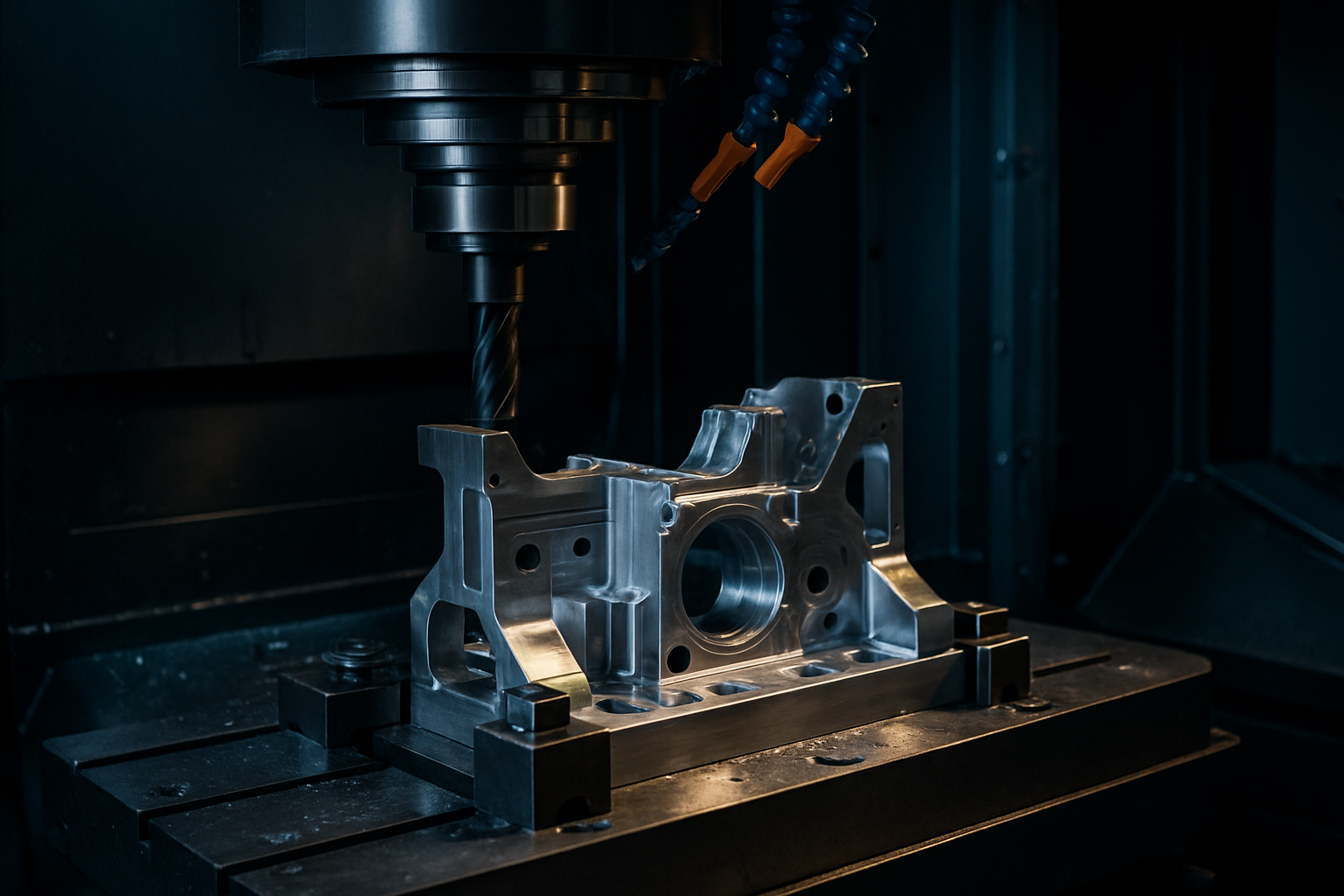
Introduction to CNC Machining in Australian Defence and Aerospace
Australian defence and aerospace industries rely heavily on precise manufacturing processes to deliver mission-critical components and systems. Among these technologies, Computer Numerical Control (CNC) machining stands out for its ability to produce high-precision parts with tight tolerances and complex geometries. This post aims to provide actionable insights for engineers, procurement managers, and manufacturing professionals working in this space.
Material Selection: Balancing Performance and Cost
Choosing the right material is crucial for CNC machined components used in defence and aerospace applications due to their rigorous performance requirements. Common choices include:
- Inconel: An alloy with excellent strength properties at high temperatures, ideal for engine parts where durability under extreme conditions is paramount.
- Titanium Alloys (Ti6Al4V): Known for its light weight and corrosion resistance, this material is widely used in airframe structures due to these advantages and its ability to withstand harsh environments.
- Stainless Steel: Offers good strength-to-weight ratio and excellent machinability. Suitable for components that require robustness but not extreme temperatures.
Actionable Advice: When selecting materials, consider the environmental conditions your parts will encounter during service (e.g., high temperature, corrosive exposure) to ensure material compatibility. For instance, prefer Inconel over Stainless Steel if the application involves sustained high-temperature operations.
Common Mistakes and Decision Frameworks
Avoiding common pitfalls is essential for efficient CNC machining practices in defence and aerospace manufacturing:
-
Inadequate Fixture Design: Failing to secure parts properly can lead to inaccuracies and potential damage to machinery. Always ensure that fixtures are robust enough to prevent movement during the cutting process.
-
Overlooking Material Properties: Ignoring a material’s properties such as thermal expansion or ductility can result in unexpected manufacturing defects.
Decision Framework: When deciding between different materials, consider:
- Cost vs Performance Ratio: Choose Stainless Steel over Titanium for components that don't require high-strength at low cost.
- Complexity of Part Design: For intricate designs with tight tolerances, opt for Inconel or Ti6Al4V as they offer better machinability compared to harder materials like some steels.
Quick Reference: Key Considerations
- Material Properties
- High-Temperature Operations: Inconel
- Weight and Corrosion Resistance: Titanium Alloys (Ti6Al4V)
- General Robustness and Machinability: Stainless Steel
- Fixture Design: Ensure robust design to prevent movement during machining.
- Lead Times: Aim for a realistic timeline considering the complexity of parts, materials, and lead times from Australian suppliers.
Practical Takeaway
In summary, CNC machining is an indispensable technology in the Australian defence and aerospace sectors. By carefully selecting materials based on specific application needs and designing robust fixtures to ensure accuracy, manufacturers can produce high-quality components that meet stringent performance standards. Implementing these recommendations will help streamline production processes and enhance overall operational efficiency.
This practical advice aims to empower engineers and procurement managers with actionable insights to improve CNC machining practices within their respective organisations.
Free quote in 2 business days. No minimum order.