CNC Machining Precision For Australian Defence Aerospace
Rapid Manufacturing
Author
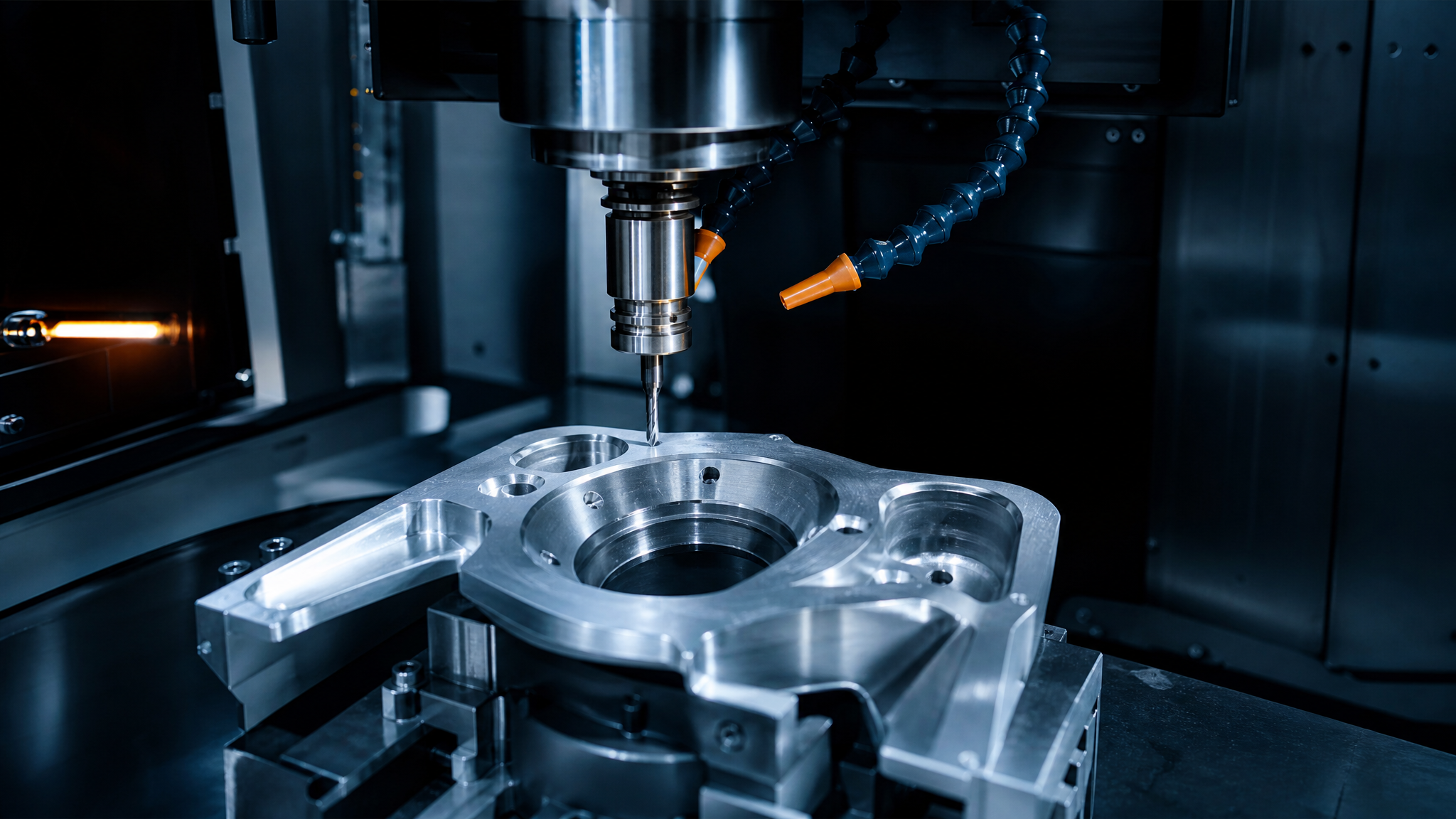
Understanding CNC Machining in Australian Defence and Aerospace Manufacturing
CNC machining plays an indispensable role in the development of advanced components for Australia's defence and aerospace sectors. As engineers and procurement managers navigate the complexities of these industries, understanding how to leverage CNC technology is crucial. In this article, we’ll explore the nuances of CNC machining within the context of Australian manufacturing, highlighting its applications, benefits, and challenges.
Selecting the Right Materials for High-Performance Parts
When it comes to CNC machining in aerospace and defence, selecting the appropriate materials is paramount. Aluminium alloys such as 7075-T6 are popular due to their excellent strength-to-weight ratio and machinability, making them ideal for structural components like wing spars and fuselage sections. Similarly, titanium alloys such as Ti-6Al-4V offer superior corrosion resistance and durability, though they present machining challenges due to their hardness.
In the defence sector, high-strength steels like 4130 alloy steel are frequently used for parts that require exceptional mechanical properties under extreme conditions. These materials need careful handling during CNC operations to ensure dimensional accuracy and surface finish quality.
Optimising Processes with CAM Software
Computer-Aided Manufacturing (CAM) software is essential for optimising the CNC machining process in defence and aerospace manufacturing. By using advanced simulation tools, engineers can predict toolpaths and material removal rates before actual production begins, reducing waste and improving efficiency.
Australian manufacturers often face unique challenges due to geographical isolation, making it imperative to streamline operations wherever possible. Efficient use of CAM software not only reduces lead times but also minimises the need for excessive stockpiling of materials and components.
Overcoming Challenges with Precision Engineering
Precision engineering is at the heart of CNC machining in these industries, where even minor deviations can compromise safety and performance. Defence and aerospace parts often require tight tolerances—sometimes down to microns—which demand a high degree of precision from both machines and operators.
To achieve this level of accuracy, manufacturers must invest in regular maintenance of their equipment, including calibration checks for CNC machines. Additionally, training staff on the nuances of operating under strict quality control measures is crucial. This includes understanding material properties, tool selection, and process parameters that affect part integrity and longevity.
Practical Tip: Embrace a Collaborative Approach
In an industry where innovation and reliability are paramount, collaboration between engineers, procurement managers, and CNC machinists can lead to significant advancements in production efficiency and product quality. By fostering an environment of open communication and shared learning, Australian defence and aerospace manufacturers can stay ahead in a competitive global market.
This collaborative approach also facilitates the integration of new technologies such as additive manufacturing (3D printing) alongside traditional CNC machining techniques, enabling hybrid solutions that cater to diverse project requirements.
By adopting these strategies and staying attuned to industry trends, Australian engineers and procurement managers can harness the full potential of CNC machining in their operations, driving innovation while ensuring operational excellence.
Free quote in 2 business days. No minimum order.