CNC Machining Precision For The Aussie Automotive Industry
Rapid Manufacturing
Author
Embracing CNC Machining in Australian Automotive Manufacturing
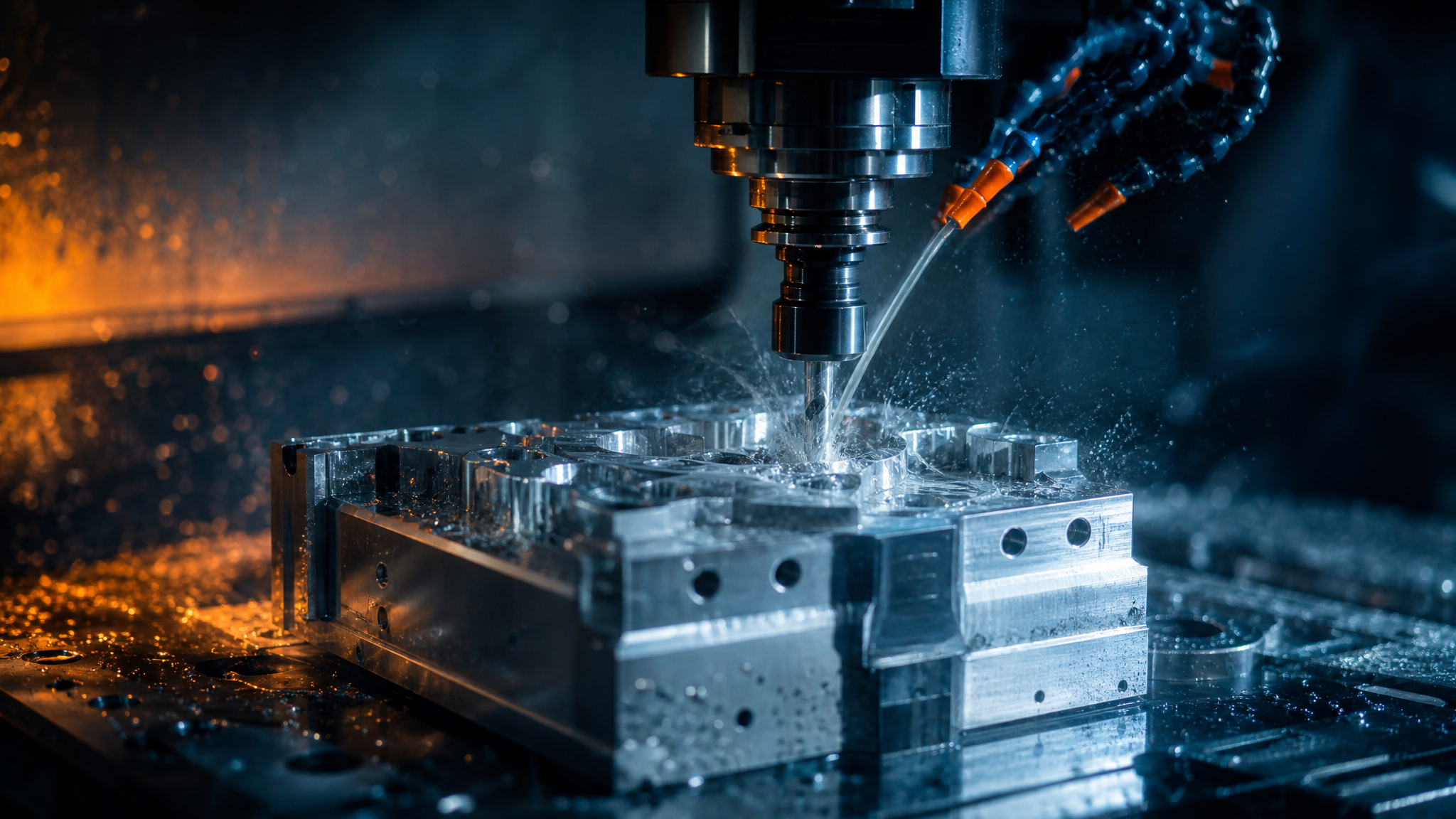
The Australian automotive industry faces unique challenges, from geographic isolation to stringent regulatory requirements. Amidst these hurdles, CNC (Computer Numerical Control) machining emerges as a vital technology that can enhance efficiency and quality while meeting the specific demands of local manufacturing.
CNC machining offers precise control over complex components, making it ideal for producing intricate parts such as engine blocks, transmission gears, and brake systems. For Australian engineers and procurement managers looking to leverage this technology, understanding its capabilities is crucial. CNC machines are highly adaptable and can work with a wide range of materials commonly used in automotive manufacturing, including aluminium, steel, titanium, and composite materials.
Tailoring Material Choices for Local Needs
When selecting materials for CNC machining, it’s essential to consider the unique demands of Australian vehicles. For instance, high-strength steels are often preferred for critical components due to their durability against harsh driving conditions and frequent weather changes. Similarly, aluminium alloys offer an excellent weight-to-strength ratio, making them popular in applications where reducing vehicle mass is paramount.
Australian manufacturers must also be mindful of supply chain logistics when sourcing materials. Given the country's vast distances, it’s beneficial to work with local suppliers who can provide quick turnaround times and competitive pricing on high-quality raw materials. This not only supports the local economy but also ensures that material integrity meets stringent Australian standards.
Optimising CNC Processes for Efficiency
Efficiency in manufacturing is critical given the often tight profit margins in the automotive sector. Leveraging advanced software tools such as CAM (Computer-Aided Manufacturing) systems can streamline the design-to-manufacturing process, reducing lead times and minimising waste. These tools enable engineers to simulate machining operations before any physical work begins, allowing for optimisation of cutting paths and tool selection.
Moreover, integrating CNC machines with IoT (Internet of Things) technologies can provide real-time data on machine performance, enabling predictive maintenance and reducing downtime. This is particularly valuable in Australia’s challenging environments where equipment reliability can be a concern due to factors like extreme temperatures or dust exposure.
Practical Tip: Emphasise Training and Skill Development
While CNC machining offers significant advantages, it also requires skilled operators capable of programming and maintaining these complex machines. Investing in training programs for your team ensures that they are up-to-date with the latest software and techniques, thereby maximising the benefits of CNC technology. Partnering with local vocational institutions can provide tailored training solutions that address specific industry needs.
In conclusion, CNC machining presents a robust solution for Australian automotive manufacturers aiming to enhance their capabilities while navigating unique market conditions. By carefully selecting materials, optimising processes, and prioritising workforce development, businesses in this sector can harness the full potential of CNC technology to drive innovation and efficiency.
Free quote in 2 business days. No minimum order.