CNC Machining Revolutionises Australian Agriculture Farming Efficiency
Rapid Manufacturing
Author
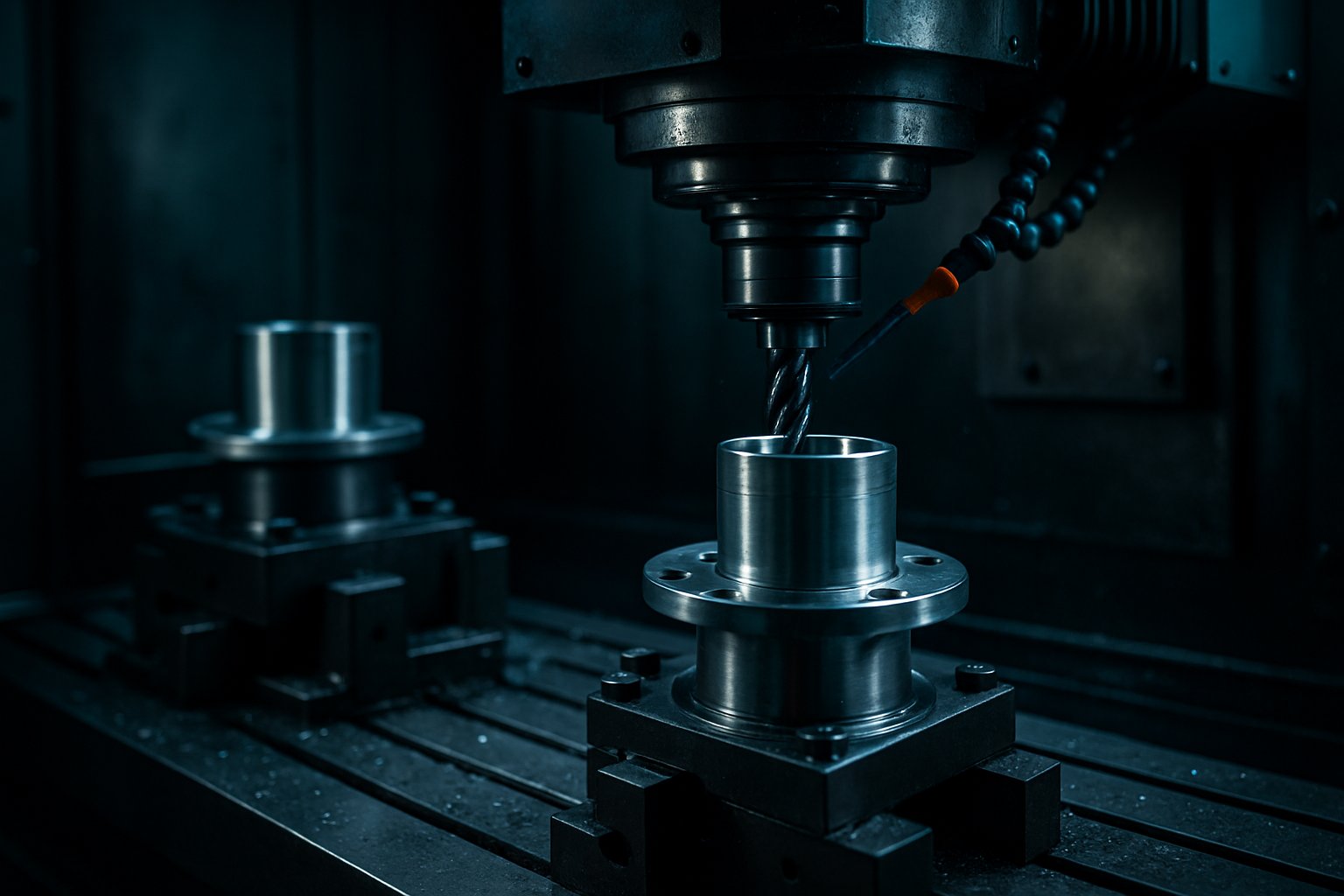
CNC Machining for Agriculture and Farming in Australia: Tailoring Precision Engineering to Local Needs
CNC machining has become an indispensable tool in manufacturing high-quality parts for agricultural machinery. In Australia, where rugged terrain and diverse climatic conditions pose unique challenges, CNC machining allows for the creation of durable, reliable components that withstand the rigors of farm life. This article aims to guide Australian engineers, procurement managers, and manufacturing professionals through the nuances of selecting materials, understanding local supply chains, and avoiding common pitfalls in agricultural CNC machining projects.
Material Selection: Balancing Cost with Durability
When it comes to agricultural machinery, durability is paramount. Parts must resist corrosion, wear, and high temperatures. Here are some material choices that fit these requirements:
- Aluminium 6061: Ideal for lightweight components that need moderate strength and good machinability. Costs around $25–45/kg.
- Stainless Steel 316: Offers superior resistance to corrosion and wear, making it a top choice for hydraulic systems and equipment exposed to harsh conditions. Prices range from $70–130/kg.
- Titanium: For applications requiring the highest strength-to-weight ratio and durability under extreme temperatures. Extremely expensive at around $500–800/kg but essential in critical components.
Quick Reference:
- Aluminium 6061: Cost-effective, moderate strength, good machinability
- Stainless Steel 316: High corrosion resistance, wear-resistant
- Titanium: Ultimate durability and lightweight
Decision Frameworks for Material Selection
Choose aluminium when:
- Weight reduction is crucial without compromising on mechanical properties.
- The part will not be exposed to severe environmental conditions.
Choose stainless steel when:
- Corrosion or chemical exposure is a concern.
- Parts need to withstand harsh weather conditions.
Select titanium when:
- Maximum durability and strength-to-weight ratio are critical.
- The application involves extreme temperatures or high stress loads.
Common Mistakes to Avoid
-
Ignoring Local Standards: Ensure that parts comply with Australian standards such as AS/NZS 4026 (for agricultural machinery) to avoid regulatory issues.
-
Overlooking Machinability: Poorly machined parts can lead to increased production costs and reduced part life. Always request a sample run from your CNC service provider.
-
Failing to Consider the Entire Supply Chain: The Australian supply chain may be longer than in other regions, impacting lead times. Plan accordingly with realistic expectations for delivery (lead times often range between 4–8 weeks).
Practical Takeaway: Embrace Local Expertise
Collaborate closely with CNC machining professionals who understand both the technical demands and logistical challenges of agricultural manufacturing in Australia. Leverage their expertise to optimize designs, select appropriate materials, and ensure compliance with local standards from the outset.
By adhering to these guidelines, Australian engineers can streamline their CNC machining projects for agriculture, ensuring cost-effectiveness, durability, and regulatory compliance.
Free quote in 2 business days. No minimum order.