CNC Machining Revolutionises Agriculture Farming in Australia
Rapid Manufacturing
Author
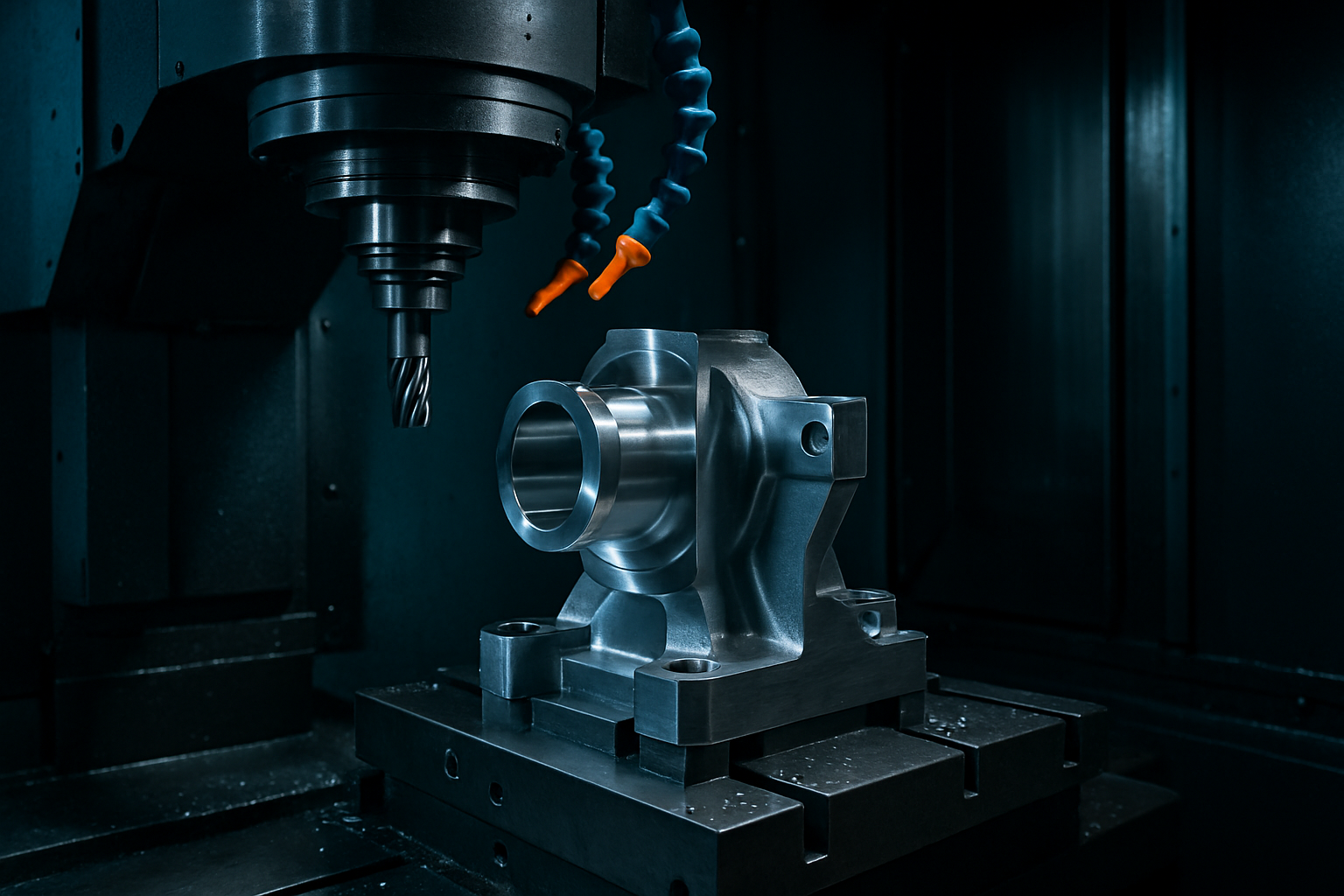
Introduction to CNC Machining for Agriculture and Farming in Australia
CNC machining plays a crucial role in manufacturing high-quality, durable equipment for Australian agriculture and farming sectors. With specific material choices, precise tolerances, and optimized production processes, CNC machines can help fabricate components that withstand the rigors of agricultural operations while adhering to local standards.
Material Recommendations for Agricultural Components
When selecting materials for agricultural machinery parts, durability, cost-efficiency, and availability are paramount. Here are some top recommendations:
- Aluminium 6061: Ideal for lightweight structures like tool carriers or frame components that require a balance of strength and corrosion resistance. Cost-effective at approximately $25–45/kg in Australia.
- Stainless Steel 316: Essential for parts exposed to harsh environmental conditions, such as saltwater spray near coastal farms or corrosive fertilizers. It offers excellent durability but comes with a higher cost around $70–130/kg.
- Polyether Ether Ketone (PEEK): Suitable for bushings and wear components due to its self-lubricating properties and resistance to chemicals and high temperatures, making it ideal in applications like grain augers. Expect costs ranging from $800–1,600/kg.
Common Mistakes and Decision Frameworks
Common Mistakes
- Overlooking Material Corrosion Resistance: Using materials without adequate corrosion resistance can lead to premature failure of components in agricultural settings.
- Neglecting Tolerances for Wear and Tear: Not accounting for the wear-and-tear tolerance limits during machining can result in parts failing under regular use conditions.
Decision Frameworks
- Choose Aluminium 6061 when weight reduction is critical but strength requirements are moderate.
- Select Stainless Steel 316 when exposure to harsh environmental conditions necessitates high corrosion resistance.
Quick Reference: Key Specs and Decision Points
- Material Selection: Consider the environment, wear properties, and cost.
- Tolerances:
- General Tolerance: ±0.2 mm for most parts.
- Critical Tolerance: ±0.1 mm for precision components like gears or bearings.
- Lead Times:
- Small Batch (≤50 units): Approximately 4 weeks.
- Large Batch (>50 units): Around 8–12 weeks.
Practical Takeaway
When designing agricultural parts using CNC machining, ensure that material selection and tolerance requirements are aligned with the operational demands of Australian farms. By focusing on these critical aspects, manufacturers can produce robust components that enhance productivity and longevity in farming operations.
This approach not only ensures compliance with local standards but also optimizes costs through efficient use of materials and machining processes.
Free quote in 2 business days. No minimum order.