CNC Machining Cost Australia 2026 Pricing Guide
Rapid Manufacturing
Author
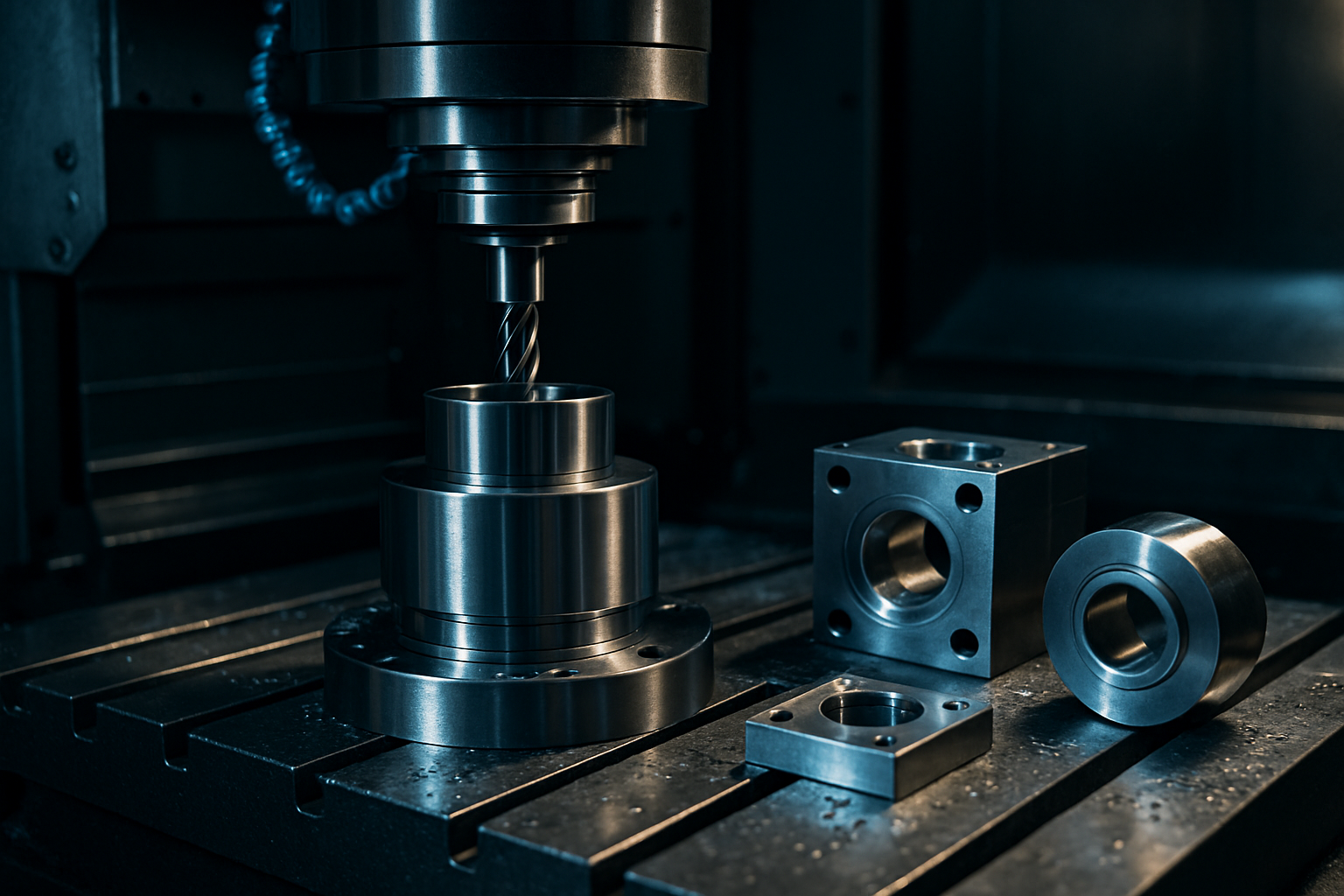
CNC Machining Cost Australia 2026: A Complete Pricing Guide for Professionals
As Australian manufacturing continues to evolve, understanding the costs associated with CNC machining is crucial for engineers and procurement managers aiming to optimize production processes. This guide will provide a comprehensive overview of pricing factors, material selection criteria, common pitfalls, and actionable advice tailored specifically for the Australian market.
Key Cost Factors in CNC Machining Australia
When evaluating CNC machining costs in 2026, several primary factors come into play:
- Material Costs: Raw materials such as aluminium (6061), stainless steel (316), titanium, and advanced composites like PEEK have specific price ranges. For example:
- Aluminium 6061: ~$25–45/kg
- Stainless Steel 316: ~$70–130/kg
- Machine Type: CNC lathes typically operate at the lower end of the hourly rate spectrum (~$120/hr), while multi-axis machining centers command higher rates (up to $300/hr).
- Complexity and Tolerances: Parts requiring tight tolerances or intricate features will invariably increase machining time, thus raising costs. Common tolerances range from ±0.05 mm for simpler components to ±0.01 mm for high-precision parts.
Material Recommendations for CNC Machining in Australia
Choosing the right material is pivotal not only for performance but also cost-effectiveness:
- Aluminium 6061: Ideal for prototypes and low-cost production due to its lightweight nature, machinability, and relatively lower cost (~$35/kg).
- Stainless Steel 316: Suitable for applications requiring corrosion resistance and durability. Its higher cost (~$90/kg) makes it more suitable for critical components.
- Titanium: Best for high-stress environments where weight is a concern. Despite its high price (~$700/kg), titanium offers exceptional strength-to-weight ratio and longevity.
Common Mistakes to Avoid
Understanding what not to do can be just as valuable as knowing the right practices:
- Overlooking Material Selection: Incorrect material choice often leads to higher costs due to scrap rates, rework, and potential failure in application.
- Ignoring Design Optimization: Complex geometries may increase machining time significantly. Simple design changes, such as adding ribs or optimizing wall thicknesses, can reduce overall cost without compromising functionality.
- Lack of Supplier Due Diligence: Ensure suppliers adhere to Australian Standards (e.g., AS/NZS 1200 for aluminium) and provide quality materials and timely delivery.
Quick Reference for CNC Machining Decisions
When deciding on CNC machining parameters in Australia:
- Choose Aluminium 6061 when: Weight is a significant factor, or cost-effectiveness is paramount.
- Use Stainless Steel 316 when: Corrosion resistance is critical, especially in marine environments.
- Consider Titanium when: A part requires extreme durability and lightness but justifies the higher material costs.
Practical Takeaway
When approaching CNC machining projects for Australian production needs, it's essential to balance material selection with design optimization. By carefully considering these factors, you can reduce manufacturing costs while ensuring that your parts meet the necessary performance standards without compromising on quality or compliance with local regulations.
This guide serves as a foundational resource for making informed decisions in CNC machining within Australia’s evolving industrial landscape.
Free quote in 2 business days. No minimum order.