CNC Machining Costs in Australia 2026 Pricing Guide
Rapid Manufacturing
Author
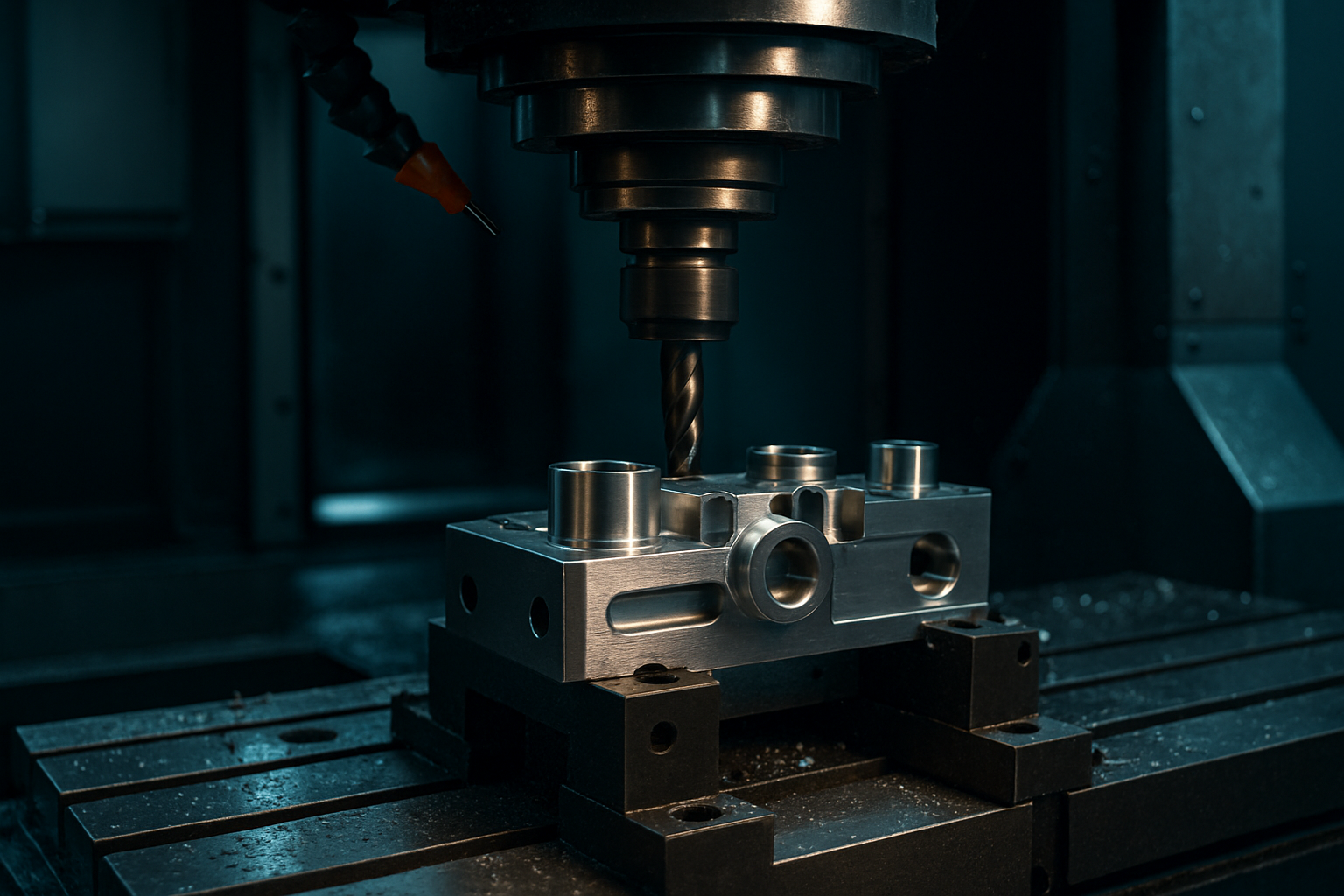
CNC Machining Cost Australia 2026: A Complete Pricing Guide
CNC machining is a cornerstone of modern manufacturing in Australia, offering precision and efficiency for diverse projects across various industries. This guide aims to provide Australian engineers, procurement managers, and manufacturing professionals with a clear understanding of the cost factors involved in CNC machining as of 2026.
Material Selection: Key Considerations
Choosing the right material is crucial for both performance and cost-effectiveness. Here are some common materials used in CNC machining along with their typical applications and cost considerations:
- Aluminium 6061 (~$25–45/kg): Ideal for prototypes, lightweight parts, and components requiring high strength-to-weight ratios. Suitable for aerospace and automotive industries.
- Stainless Steel 316 (~$70–130/kg): Offers excellent corrosion resistance and is commonly used in marine applications, medical devices, and chemical processing equipment.
- Titanium (~$500–800/kg): Known for its strength-to-weight ratio and durability. Suitable for aerospace parts, surgical instruments, and high-performance sports equipment.
- PEEK (Polyether Ether Ketone) (~$800–1,600/kg): Resistant to heat and chemicals, used in demanding environments such as medical implants, electronics components, and automotive parts.
Quick Reference:
- For lightweight, cost-effective prototypes: Aluminium 6061
- High-strength applications requiring corrosion resistance: Stainless Steel 316
- Extreme durability under harsh conditions: Titanium
- Chemical-resistant and high-performance requirements: PEEK
Cost Drivers in CNC Machining
Several factors influence the overall cost of CNC machining:
Machine Time: Rates vary from $120 to $300 per hour depending on machine type and complexity. For instance, a simple aluminium part with basic geometry might take 1-2 hours, whereas a complex titanium component could require up to 8 hours.
Material Tolerances: Tighter tolerances (e.g., ±0.05mm) increase machining time due to the need for more precise cutting and slower feed rates, thereby raising costs significantly.
Lead Times: Rapid prototyping services can be costly, with expedited orders often tripling standard lead times and associated costs. For regular production runs, aim for a realistic timeline of 2-4 weeks to avoid premium charges.
Common Mistakes to Avoid
-
Underestimating Material Costs: Always account for the full material cost plus scrap rates (typically 30%-50% for complex geometries). Ignoring this can lead to significant budget overruns.
-
Neglecting Tolerances and Surface Finish Requirements: Over-specifying these can increase machining time, raising costs disproportionately. Optimize tolerances where possible without compromising functionality.
-
Ignoring Alternative Materials: While aluminium might be the go-to material for prototypes due to its cost-effectiveness, exploring other materials like plastics (e.g., PEEK) or steels could offer better performance or cost savings in specific applications.
Decision Framework:
- Choose Aluminium 6061 when budget is tight and part complexity is low.
- Opt for Stainless Steel 316 when corrosion resistance is critical and budget allows.
- Select Titanium when the application demands high strength-to-weight ratio and durability under extreme conditions.
- Consider PEEK for chemical-resistant components or where heat tolerance is essential.
Practical Takeaway
Understanding the nuances of CNC machining costs can significantly impact project budgets and timelines. By aligning material choices with performance requirements, optimizing tolerances, and considering lead times early on, manufacturing professionals in Australia can streamline their processes and maintain cost efficiency. Always consult with a trusted supplier for up-to-date pricing and advice specific to your application.
For further guidance or customised quotes based on detailed specifications, reach out to local CNC machining services adhering to Australian standards and supply chain realities.
Free quote in 2 business days. No minimum order.