CNC Machining Cost Australia 2026 Pricing Guide
Rapid Manufacturing
Author
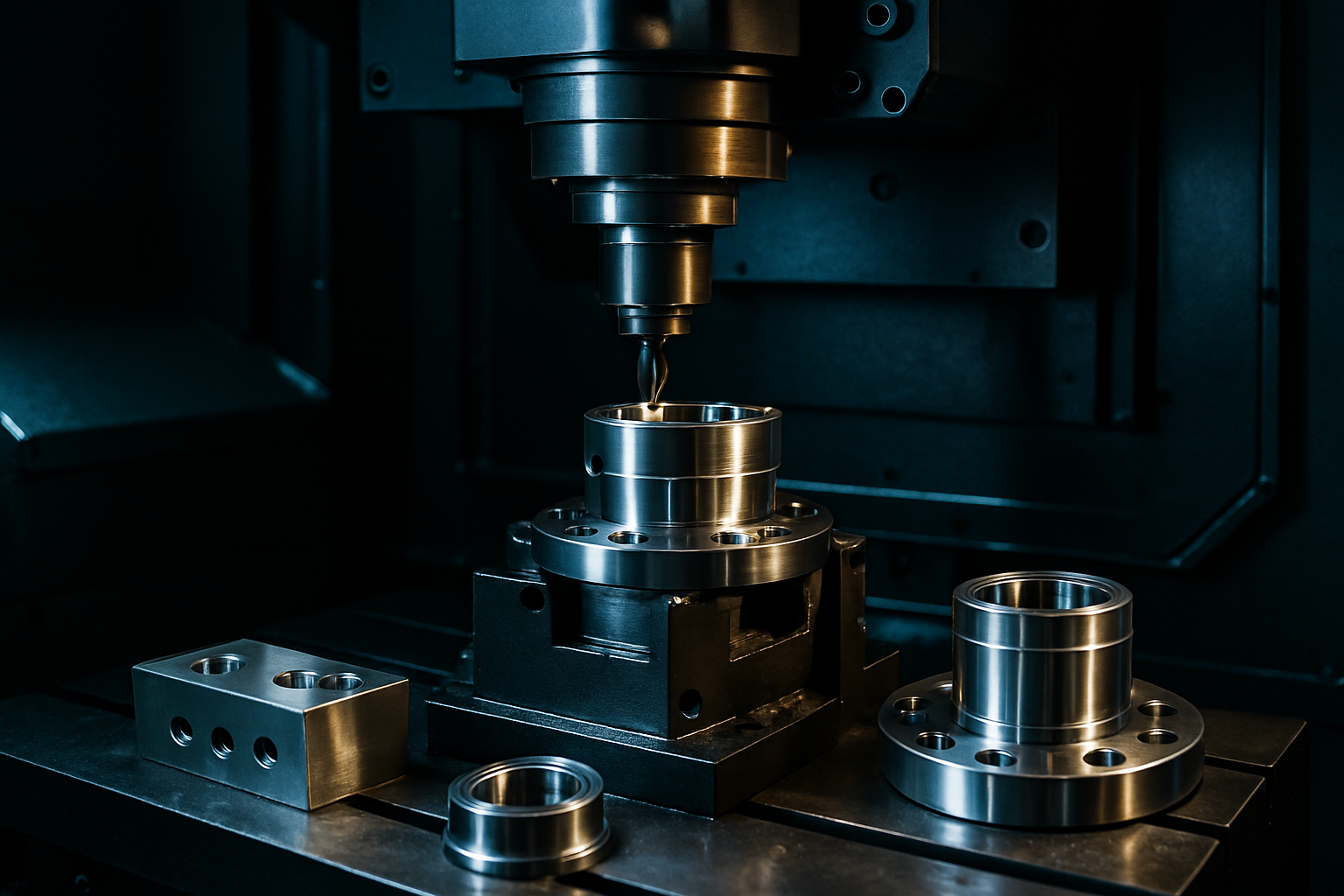
CNC Machining Cost Australia 2026: A Complete Pricing Guide
Understanding Base Material Costs and Machine Rates
When planning a CNC machining project in Australia for 2026, it's crucial to understand both material costs and machine rates. For high-quality metal parts, common materials like Aluminium 6061, Stainless Steel 316L, and Titanium are essential choices. As of this year, billet prices range as follows:
- Aluminium 6061: ~$25–45/kg
- Stainless Steel 316L: ~$70–130/kg
- Titanium: ~$500–800/kg
Machine rates typically fall between $120 to $300 per hour, depending on the machine type and complexity of the work. For instance, a standard 3-axis CNC milling operation might cost around $140/hour, whereas a high-speed multi-axis machining setup could be upwards of $250/hour.
Material Selection for CNC Machining
Choosing the right material is critical in reducing overall costs while meeting quality and performance requirements. Here are some common materials along with their benefits:
-
Aluminium 6061: Excellent strength-to-weight ratio, good corrosion resistance, and easy to machine. Ideal for prototypes and light-duty structural applications.
-
Stainless Steel 316L: Offers superior corrosion resistance compared to other stainless steels, making it a go-to material in marine environments or chemical processing industries.
-
Titanium: Provides exceptional strength, durability, and biocompatibility (especially useful in medical devices). However, titanium is expensive and challenging to machine due to its high hardness.
Common Mistakes to Avoid
To ensure your CNC machining project stays within budget and meets quality standards, avoid these common pitfalls:
- Underestimating Material Costs: Accurate material cost projections are essential for realistic budgets.
- Ignoring Machining Tolerances: Tighter tolerances (e.g., ±0.05mm) significantly increase machining time and costs due to the need for multiple operations.
- Choosing Suboptimal Toolpaths: Optimized toolpaths can reduce cycle times without compromising quality, saving both money and lead times.
Decision Frameworks
Making informed decisions requires understanding various factors:
- Choose Aluminium 6061 when designing parts that require a balance of strength and weight reduction.
- Select Stainless Steel 316L when working in environments where corrosion resistance is paramount.
- Opt for Titanium when the application demands high durability and biocompatibility, justifying its higher cost.
Quick Reference: Key Specifications & Decision Points
- Material Costs: Aluminium ~$25–45/kg | Stainless Steel 316L ~$70–130/kg | Titanium ~$500–800/kg
- Machine Rates: $120-$300/hr (depending on machine type)
- Tolerances: ±0.02mm to ±0.1mm for most applications, with tighter tolerances increasing costs.
Practical Takeaway
When planning your CNC machining project in Australia, start by defining the material requirements based on application needs. Then, work closely with a trusted supplier or workshop to optimize the design and toolpaths for efficiency without compromising quality.
By following these guidelines and considering the specificities of Australian standards and supply chains, you can ensure that your manufacturing processes are both cost-effective and high-quality.
Free quote in 2 business days. No minimum order.