CNC Machining in Canberra ACT for Defence Aerospace Excellence
Rapid Manufacturing
Author
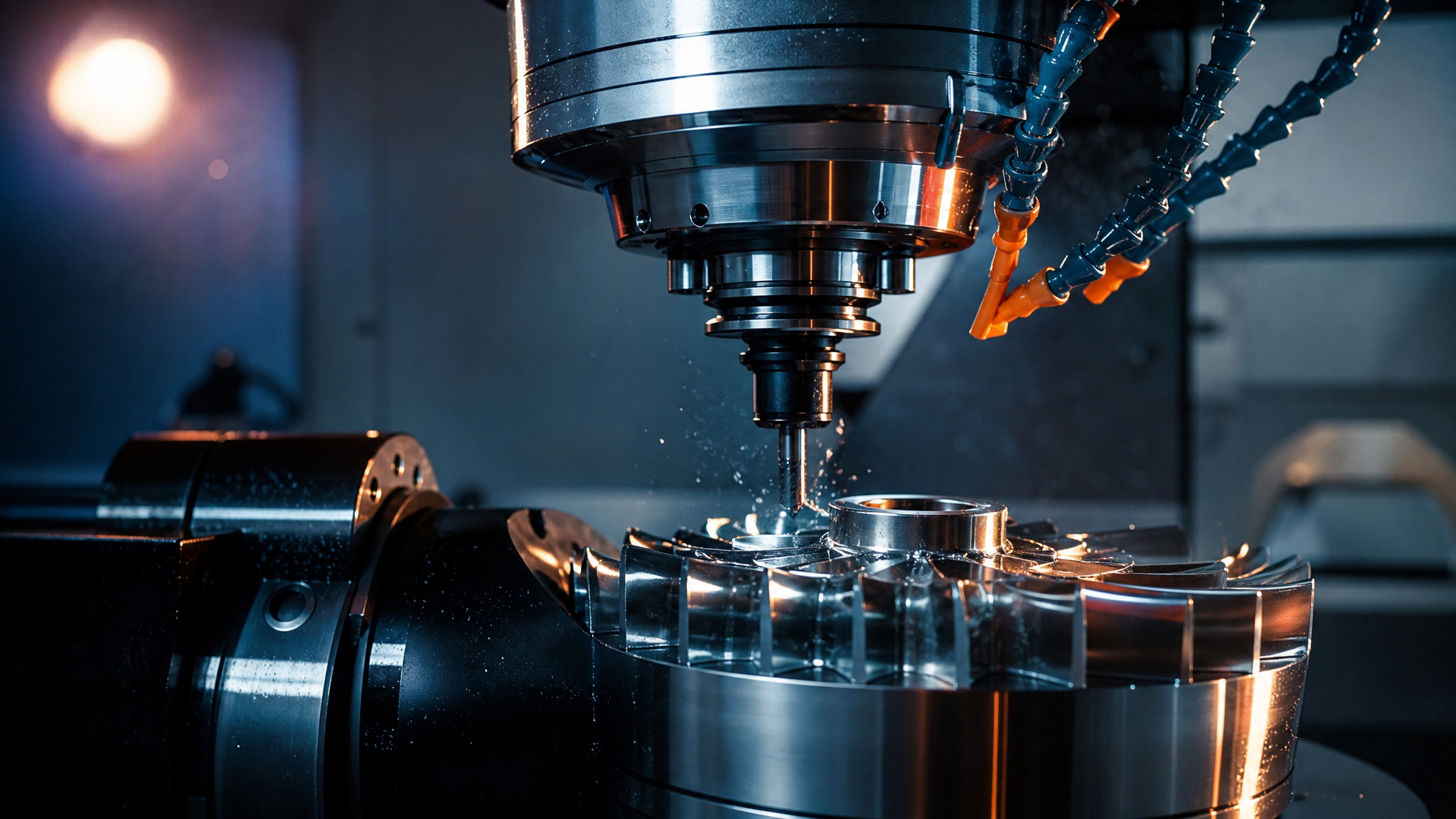
Understanding CNC Machining in Canberra’s Defence and Aerospace Sector
Canberra, as the heart of Australia's government and military operations, hosts numerous defence and aerospace enterprises that rely heavily on advanced manufacturing techniques like Computer Numerical Control (CNC) machining. This technology enables precise fabrication of parts from metals and polymers used extensively by local industries such as Boeing Defence Space & Security and BAE Systems.
Choosing the Right Materials for CNC Machining in Canberra
The choice of material is crucial when engaging with CNC machining services, especially within the demanding fields of defence and aerospace. In Canberra, engineers often work with high-strength aluminium alloys like 7075 and titanium grades such as Ti-6Al-4V due to their resistance to corrosion and durability under extreme conditions.
Additionally, the use of composites like carbon fibre reinforced polymers (CFRP) is becoming more prevalent for its lightweight yet strong properties. When selecting materials, consider factors specific to CNC machining such as machinability, thermal stability, and cost-effectiveness. For instance, while titanium offers superior mechanical performance, it also presents challenges in terms of cutting tool wear and higher costs.
Optimising Designs with CAD/CAM Integration
In Canberra’s manufacturing landscape, the seamless integration between Computer-Aided Design (CAD) software and CAM (Computer-Aided Manufacturing) systems is pivotal for efficient CNC machining. This technology allows engineers to create intricate designs that can be directly translated into machine instructions without manual intervention. The use of advanced simulation tools within these platforms helps in identifying potential issues during the manufacturing process, such as tool collisions or poor surface finishes.
For example, when designing a complex aerospace component with tight tolerances and stringent requirements, leveraging CAD/CAM software ensures that all aspects are meticulously planned out before any material is cut. This not only reduces waste but also accelerates the time-to-market for critical defence projects.
Leveraging Local Resources: Canberra’s Manufacturing Ecosystem
Canberra benefits from a robust manufacturing ecosystem with numerous suppliers of machinery, tools, and materials catering to CNC machining needs. Engaging closely with these local resources can provide access to specialised equipment or services that may not be readily available elsewhere. For instance, the Advanced Manufacturing Growth Centre (AMGC) offers insights into emerging technologies and provides networking opportunities with other industry experts.
Additionally, participating in trade shows like the Australian International Airshow & Aerospace Exhibition held biennially in Melbourne, though outside Canberra, can offer valuable connections within the broader defence and aerospace sector. These events highlight trends such as additive manufacturing alongside traditional CNC machining techniques, which are increasingly important for innovation in Canberra’s local industry.
Practical Tip: Embrace Collaboration
To stay ahead in the competitive landscape of Canberra's defence and aerospace sector, embrace collaboration between different departments—engineering, procurement, quality assurance—and external partners. This interdisciplinary approach can lead to more innovative solutions tailored specifically to Australian conditions and requirements. By fostering a culture of continuous improvement and leveraging both local expertise and global best practices, organisations in Canberra can enhance their manufacturing capabilities significantly.
This collaborative mindset not only aids in overcoming technical challenges but also strengthens the overall resilience and adaptability of CNC machining processes within Canberra’s defence and aerospace industry.
Free quote in 2 business days. No minimum order.