CMM Inspection For Machined Parts Ensures Perfect Fit
Rapid Manufacturing
Author
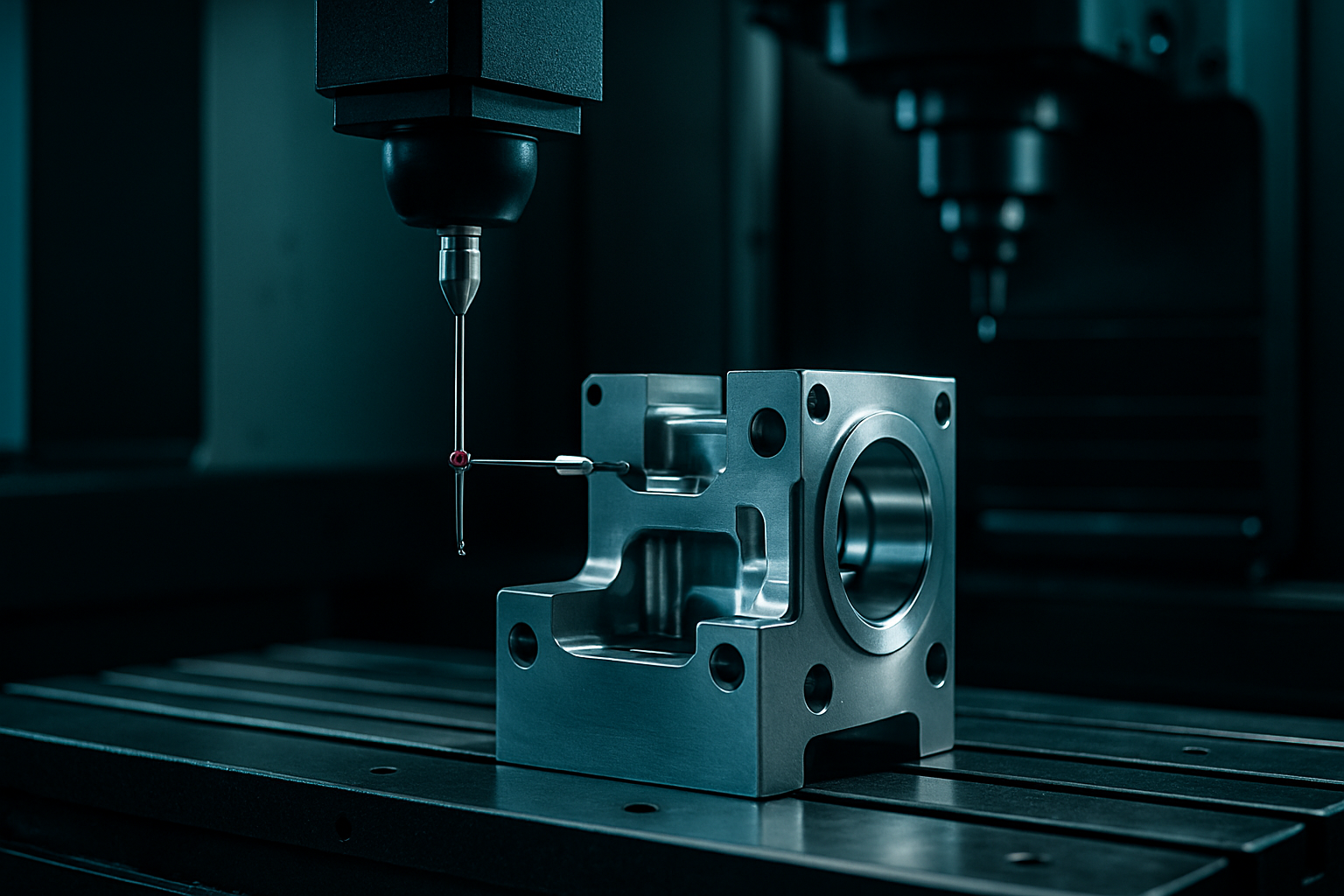
The Importance of CMM Inspection for Machined Parts in Australia
CMM (Coordinate Measuring Machine) inspection is a critical step in ensuring dimensional accuracy and quality control in manufacturing processes across various industries in Australia. This article delves into the specifics of CMM inspection, offering actionable advice to engineers, procurement managers, and manufacturing professionals.
Key Considerations for Material Selection
When selecting materials for machined parts, it's crucial to consider the mechanical properties, corrosion resistance, and cost-effectiveness. Here are some material recommendations:
- Aluminium 6061: Ideal for lightweight components with good strength-to-weight ratio, suitable for aerospace and automotive applications.
- Stainless Steel 316: Offers excellent corrosion resistance and is often used in marine environments or chemical processing plants.
- Titanium Grade 2: Provides high tensile strength and durability but at a higher cost, making it suitable for demanding industries such as medical implants and aircraft structures.
Common Mistakes to Avoid
Mistakes during the inspection phase can lead to significant quality issues down the line. Here are some common pitfalls to avoid:
- Neglecting Calibration: Regular calibration of CMM equipment is essential to maintain accuracy over time.
- Ignoring Tolerances: Ensure that your machining and inspection processes adhere strictly to specified tolerances, often in the range of ±0.01 mm for critical parts.
- Overlooking Material Properties: Materials can affect measurement outcomes due to thermal expansion or magnetic interference.
Decision Frameworks
When choosing between different inspection methods or materials, consider these guidelines:
- Choose CMM over manual gauging when dealing with complex geometries and high tolerance requirements (e.g., ±0.01 mm).
- Opt for Aluminium 6061 over Stainless Steel 316 if weight reduction is a priority but corrosion resistance is not the primary concern.
- Select Titanium Grade 2 when parts need to withstand extreme environments or require high tensile strength.
Quick Reference
Here’s a quick summary of key specifications and decision points:
- Material Selection: Aluminium 6061 for lightweight components, Stainless Steel 316 for corrosion resistance, Titanium Grade 2 for high-strength applications.
- Tolerances: ±0.01 mm for precision parts.
- CMM Inspection vs Manual Gauging: Use CMM for complex geometries and tight tolerances.
Practical Takeaway
By integrating rigorous CMM inspection into your manufacturing process, you can ensure that machined parts meet stringent quality standards. Regular calibration of measuring equipment and adherence to material properties are fundamental steps towards maintaining product integrity. For Australian manufacturers facing local supply chain constraints or stringent industry regulations, leveraging precise inspection techniques like CMM is not just a best practice but a necessity.
For specific cost estimations or further advice tailored to your project's requirements, consult with an expert in the field.
Free quote in 2 business days. No minimum order.