Aluminium 6061 CNC Machining Properties Applications Explained
Rapid Manufacturing
Author
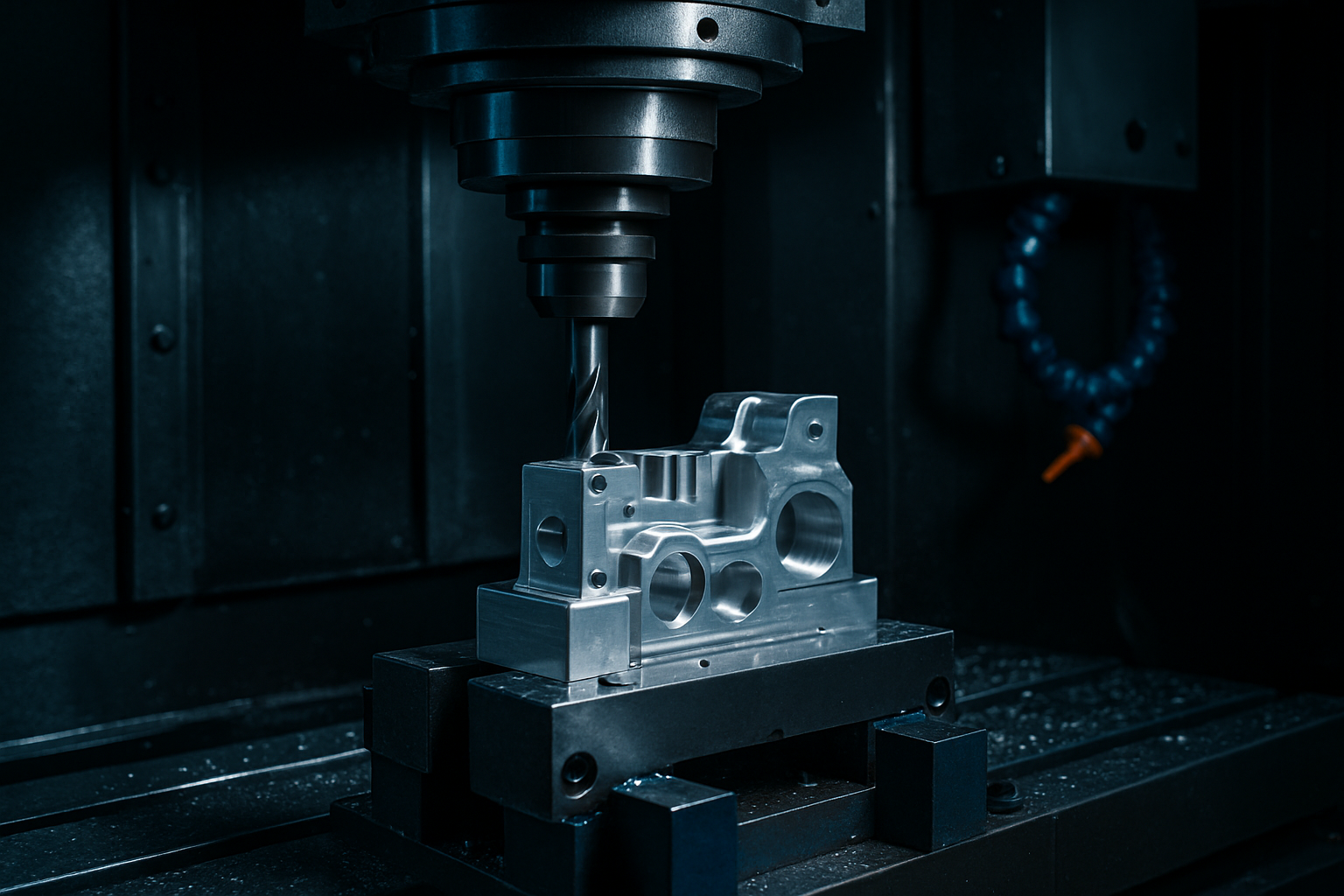
Understanding Aluminium 6061 for CNC Machining in Australia
Aluminium 6061 is a versatile and widely used alloy in the manufacturing industry due to its excellent strength-to-weight ratio, weldability, and corrosion resistance. In Australia, it's particularly popular for components that need to balance durability with weight efficiency, such as bicycle frames, marine equipment, and aerospace parts.
Material Properties and Applications
Aluminium 6061 is an alloy that combines magnesium and silicon in its composition, providing a high degree of formability while maintaining good mechanical properties. It is known for:
- Mechanical Strength: The tensile strength ranges from 240 MPa to 310 MPa depending on tempering state (T6). Yield strength varies accordingly.
- Corrosion Resistance: Exceptionally resistant to atmospheric corrosion, suitable for outdoor applications without additional protective coatings.
- Weldability: Welds easily with minimal risk of cracking or embrittlement, making it ideal for assemblies that require welding.
Practical Considerations and Cost Implications
When selecting Aluminium 6061 for CNC machining projects in Australia, engineers and procurement managers must consider several factors:
Cost Analysis
- Material Cost: As of recent market trends, aluminium billet prices hover around $25–45/kg. The exact price depends on quality grades and supply chain logistics.
- CNC Machining Rates: Expect rates within the range of $120–$300/hr for high-end CNC machines in Australian manufacturing shops.
Tolerances and Lead Times
- Achieve tight tolerances, typically achievable to ±0.05 mm or better with careful programming.
- Average lead times can vary from 1 week to several weeks depending on part complexity and order volume.
Common Mistakes and Decision Frameworks
Avoid common pitfalls when working with Aluminium 6061:
Mistake 1: Ignoring Material Hardness Post-Machining
- Solution: Always temper or heat treat parts as required by the design specifications to avoid post-machining work hardening that can compromise part integrity.
Decision Frameworks
- Choose aluminium billet over extrusions when complex geometries are required, but balance this with cost considerations and potential waste.
- Select Aluminium 6061 T6 temper for most structural applications requiring high strength, while choosing T4 for less demanding parts where formability is more critical.
Quick Reference
- Strength: ~240 MPa (T4) to ~310 MPa (T6)
- Density: 2.7 g/cm³
- Cost Range: $25–$45/kg billet price
- Recommended CNC Machining Rate Range: $120–$300/hr
Practical Takeaway
In summary, Aluminium 6061 offers an excellent balance of properties for CNC machining in Australia. When planning your next project involving this material, ensure you factor in realistic cost estimates and allow sufficient time for the precision required to achieve optimal results. By understanding its unique characteristics and applying them judiciously, you can leverage Aluminium 6061's strengths while avoiding potential pitfalls.
Free quote in 2 business days. No minimum order.