Aluminium 6061 CNC Machining Properties and Applications Explained
Rapid Manufacturing
Author
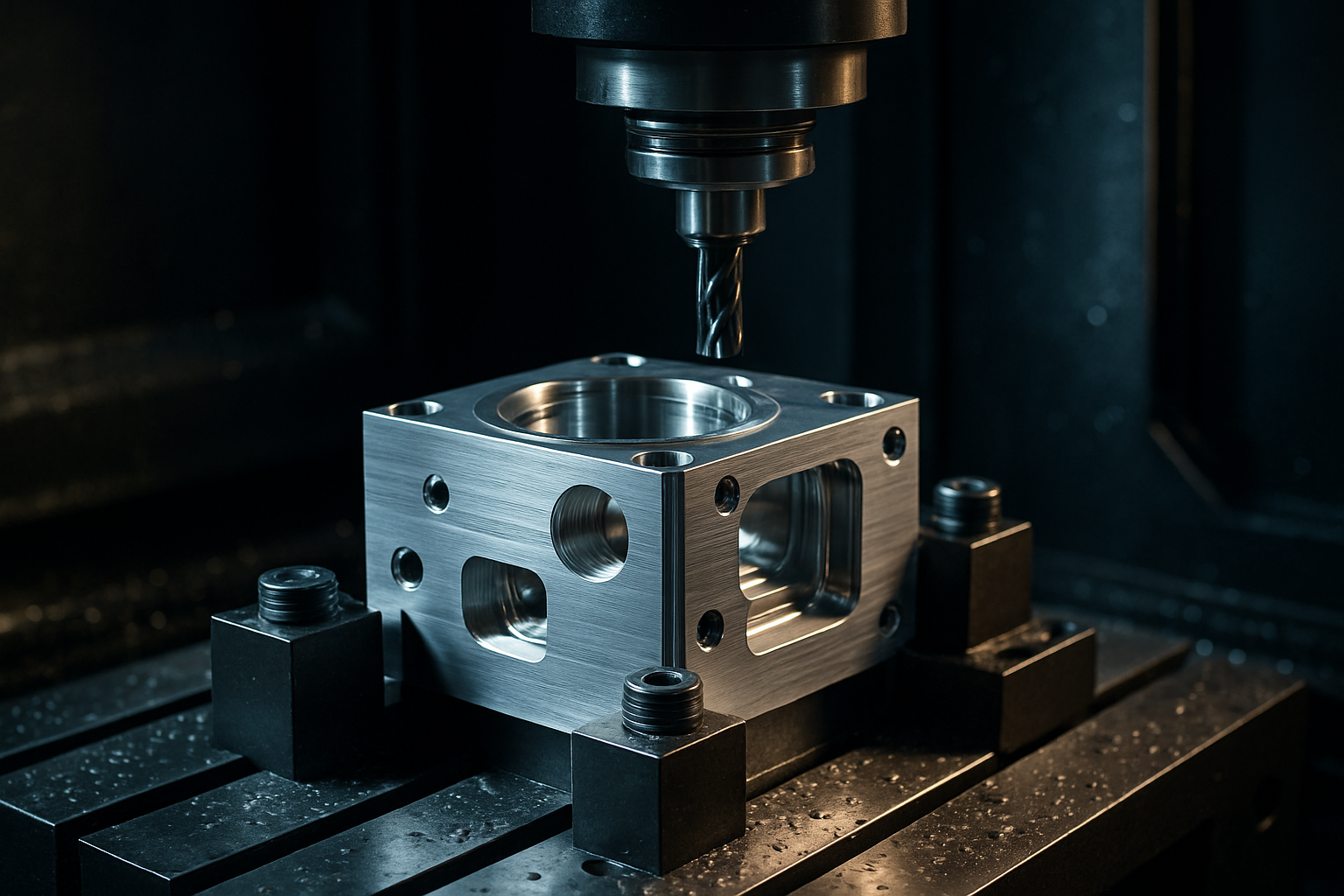
Understanding Aluminium 6061 CNC Machining: Properties and Applications for Australian Professionals
Aluminium 6061 is a versatile alloy that finds extensive use in manufacturing due to its favourable mechanical properties and ease of processing. For Australian engineers, procurement managers, and manufacturing professionals, understanding the nuances of machining this material can significantly impact both cost and quality outcomes.
Key Mechanical Properties
Density: Aluminium 6061 has a density of approximately 2700 kg/m³, making it one-third the weight of steel with comparable strength. This property makes it ideal for applications requiring structural integrity without excessive weight. Tensile Strength: At room temperature, the tensile strength ranges from 240 MPa to 310 MPa, which is adequate for most engineering needs and provides good formability and weldability. Fatigue Resistance: The fatigue limit of Aluminium 6061 at room temperature can be around 85-95% of the tensile strength, making it suitable for components subjected to cyclic loading.
Common Applications in Australia
Aluminium 6061 is widely used in various industries in Australia due to its combination of mechanical properties and cost-effectiveness:
- Construction: Due to its lightness and corrosion resistance, Aluminium 6061 is a popular choice for building frameworks and cladding.
- Automotive Industry: Used in lightweight components such as engine mounts and suspension parts where weight reduction benefits performance without compromising safety.
- Marine Applications: Its high resistance to marine environments makes it suitable for boat hulls and deck fittings.
CNC Machining Considerations
When choosing Aluminium 6061 for machining, several factors must be taken into account:
Tolerances and Surface Finish:
- Typical tolerances achievable range from IT7 to IT9, depending on the part geometry and material condition.
- Finishes can achieve a minimum of Ra 0.4 µm with proper tool selection and machine control.
Tool Selection and Cutting Parameters:
- For rough milling, high feed rates are recommended, typically in the range of 250–600 mm/min, while finish milling benefits from lower feed rates around 100–250 mm/min.
- Opt for carbide tools with chip breaker geometries to handle Aluminium 6061 efficiently.
Cost Implications:
- Billet prices range approximately from $25/kg to $45/kg, and machining costs can vary widely based on part complexity, but a reasonable estimate might be in the order of $180–300/hr for high-end CNC machines.
- To minimize material waste, consider stock thicknesses that match your final component requirements closely.
Decision Frameworks and Common Mistakes
When deciding whether to use Aluminium 6061 for a particular application:
- Choose X when Y: Opt for Aluminium 6061 over other materials (like steel or titanium) if weight reduction is critical, but structural integrity remains important.
- Avoid Z when W: Do not select Aluminium 6061 for parts that are subjected to extreme temperatures above 200°C, as its properties degrade significantly under these conditions.
Quick Reference:
- Density: 2700 kg/m³
- Tensile Strength: 240–310 MPa
- Fatigue Limit: 85-95% of tensile strength
- Typical Machining Cost Range: $180–300/hr
- Common Mistakes to Avoid:
- Not considering thermal properties for high-temperature applications.
- Ignoring the impact of material hardness on tool wear and machining costs.
Immediate Takeaway
When specifying Aluminium 6061 for your next project, ensure you have a clear understanding of its mechanical limits and environmental suitability. By aligning these with the specific requirements of your application, you can leverage this alloy's unique advantages while mitigating potential drawbacks. This approach not only optimizes performance but also ensures cost-effectiveness in Australian manufacturing contexts.
This detailed guidance is designed to empower professionals with actionable insights for efficient material selection and machining processes.
Free quote in 2 business days. No minimum order.