Aluminium 6061 CNC Machining Properties and Applications Explained
Rapid Manufacturing
Author
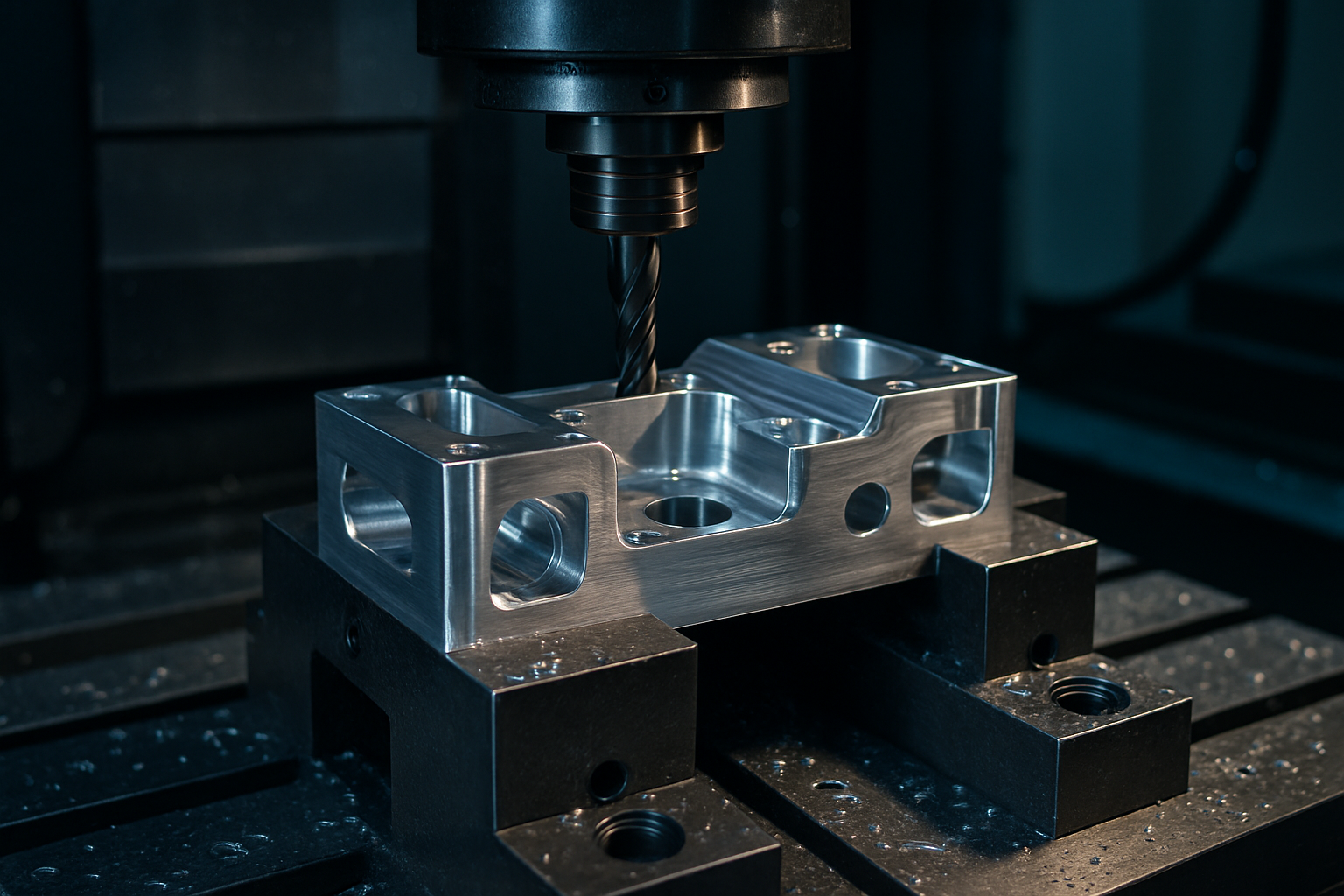
Understanding Aluminium 6061 for CNC Machining in Australia
Aluminium alloy 6061 is a versatile and widely used material in Australian manufacturing due to its excellent strength-to-weight ratio, corrosion resistance, and ease of welding. For engineers and procurement managers, knowing how to utilise this material effectively can significantly impact the performance and cost-efficiency of your projects.
Properties and Benefits
Aluminium 6061 is an alloy composed primarily of aluminium with magnesium and silicon as major alloying elements. It offers a good combination of mechanical properties that make it suitable for structural applications where weight reduction is critical, such as aerospace, automotive, and construction industries.
Key Properties:
- Density: Approximately 2700 kg/m³
- Tensile Strength (Solution Annealed): ~265 MPa
- Yield Strength (Solution Annealed): ~193 MPa
- Elongation at Break: ~15%
- Corrosion Resistance: Excellent, especially when treated with anodizing
The alloy's formability and weldability make it highly adaptable for various fabrication methods. Additionally, its machinability is superior to many other aluminium alloys, making it a popular choice in CNC machining environments.
Applications and Recommendations
When deciding whether to use Aluminium 6061 for your projects, consider the following factors:
- Weight Sensitivity: Opt for 6061 when weight reduction is crucial but high strength isn't the primary concern.
- Corrosive Environments: Choose this alloy over other less corrosion-resistant materials if operating in marine or chemical environments.
- Structural Integrity and Design Flexibility: When designing complex parts that require bending, welding, or extrusion, 6061 offers a good balance between cost and performance.
Common Mistakes to Avoid:
- Overlooking the necessity of post-machining treatments like anodizing for improved corrosion resistance.
- Ignoring material properties when setting machining parameters; using incorrect cutting speeds can lead to poor surface finish or tool wear.
- Failing to consider supply chain logistics, such as the availability and cost of billets in Australia.
Cost Considerations
The cost-efficiency of Aluminium 6061 depends on several factors:
- Material Costs: As of early 2023, billet prices range from $25 to $45 per kg. Ensure you have a reliable supplier within the Australian market.
- CNC Machining Rates: Local CNC machining rates average between AUD$120 and AUD$300 per hour, depending on machine type and complexity of work. Verify these figures with your local provider.
When planning your budget, factor in post-machining treatments which can add 15-30% to the total project cost based on part complexity and surface area requirements.
Quick Reference
- Density: 2700 kg/m³
- Tensile Strength (Solution Annealed): ~265 MPa
- Yield Strength (Solution Annealed): ~193 MPa
- Elongation at Break: ~15%
- Cost: AUD$25–45/kg billet, AUD$120–300/hr machining
Practical Takeaway for Australian Professionals
Understanding the nuances of Aluminium 6061 can lead to more informed material choices that balance cost and performance. By considering local supply chains, treatment requirements, and machining considerations, you can ensure your projects are both efficient and effective in an Australian context.
For immediate application, start by reviewing existing designs to see if switching from a heavier but less expensive alloy like 6082T6 to the more versatile 6061 could offer better performance and cost benefits.
Free quote in 2 business days. No minimum order.