Aluminium 6061 Properties and Applications in CNC Machining
Rapid Manufacturing
Author
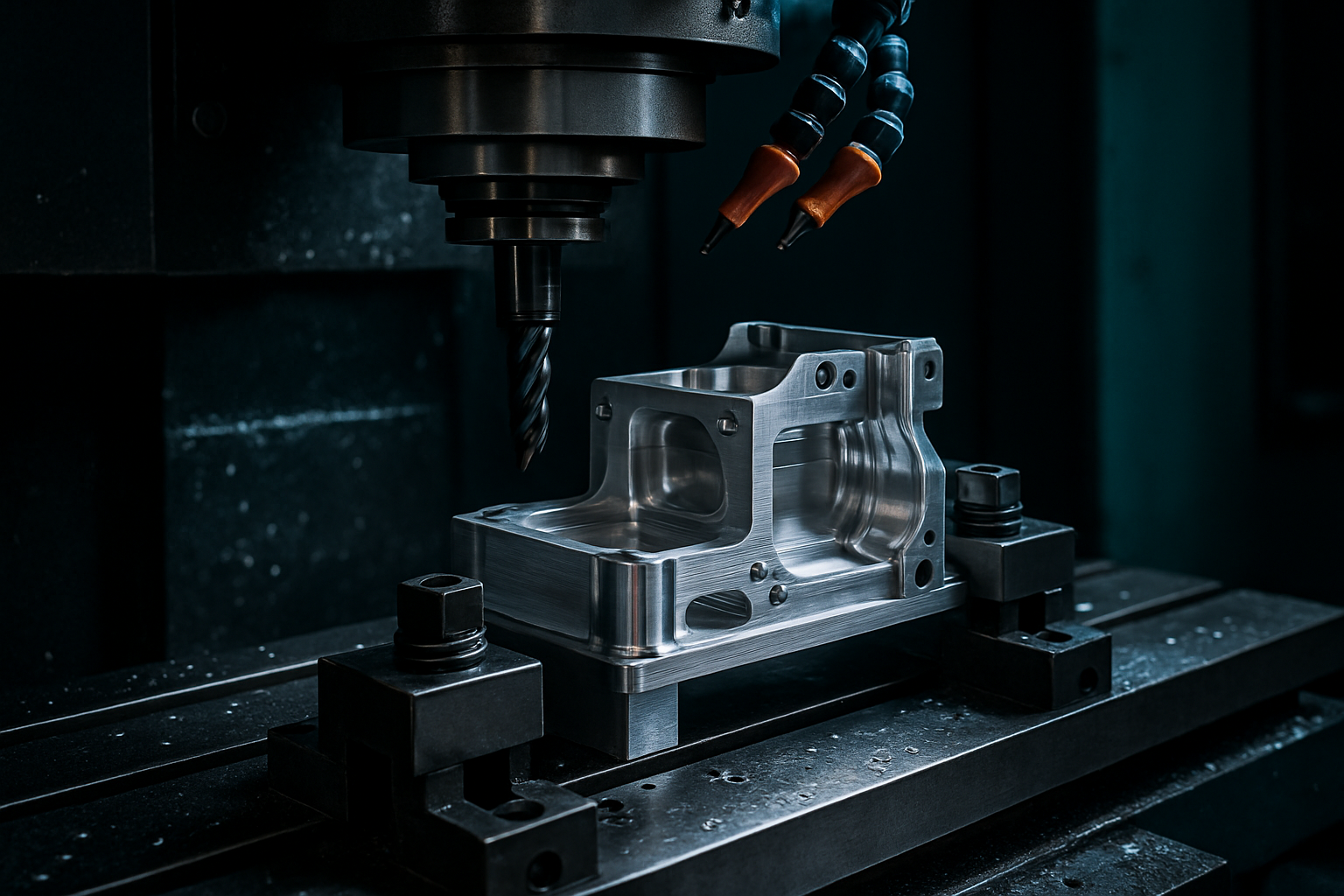
Understanding Aluminium 6061 for CNC Machining: Properties and Applications in Australia
Aluminium 6061 is a versatile alloy widely used in manufacturing due to its excellent strength-to-weight ratio, corrosion resistance, and ease of machining. In the Australian context, this material finds applications across various industries such as aerospace, automotive, marine, and construction. This post aims to provide detailed insights into the properties of Aluminium 6061, common machining practices, and practical considerations for procurement managers and manufacturing professionals.
Key Properties and Applications
Aluminium 6061 is an extrudable alloy known for its balance between strength and formability, making it ideal for complex shapes. It has good weldability and excellent mechanical properties at elevated temperatures up to 200°C. The alloy's composition includes silicon, magnesium, and chromium, which contribute to its improved corrosion resistance.
Common Applications in Australia:
- Aerospace: Due to the material’s lightweight nature and ability to withstand various environmental conditions.
- Marine Equipment: Resistant to saltwater corrosion, making it suitable for boat construction and marine hardware.
- Automotive Parts: Used extensively in frames, suspension components, and body panels due to its strength and formability.
Machining Considerations
When machining Aluminium 6061, several factors must be considered to ensure optimal performance and material utilization. The alloy is relatively soft compared to steel but harder than other aluminum alloys like 380 series. This necessitates the use of appropriate cutting tools and techniques for efficient machining.
Key Machining Recommendations:
- Tool Material: Use carbide or coated high-speed steel tools that can withstand higher temperatures generated during machining.
- Coolant Usage: Apply coolant to prevent workpiece distortion and improve surface finish quality.
- Feed Rate & Speed: Optimize these parameters based on material hardness. A good starting point is a feed rate of 0.15–0.3 mm/rev with a spindle speed around 800–2,000 rpm.
Practical Considerations for Australian Professionals
When selecting Aluminium 6061 for CNC machining in Australia, consider the following:
- Material Cost: The cost per kilogram ranges from $25 to $45 depending on supply chain dynamics. Verify current market rates with suppliers.
- Lead Times and Supply Chain: Given Australia's geographical isolation, lead times can vary significantly based on supplier proximity and stock availability.
- Quality Assurance Standards: Ensure that machined parts meet Australian standards such as AS/NZS 1288:2017 for extruded aluminium profiles.
Common Mistakes to Avoid:
- Improper Tooling Selection: Using tools not suited for the hardness of Aluminium 6061 can lead to premature tool wear and poor surface finish.
- Overlooking Material Hardness Variations: The mechanical properties of Aluminium 6061 vary with heat treatment, affecting machinability.
Quick Reference: Key Specifications
- Density: 2.7 g/cm³
- Hardness (Brinell): ~95–120 HBW
- Tensile Strength: 240 MPa – 310 MPa
- Machining Rate (Metric): $120-$300/hr depending on machine type and complexity of part
Practical Takeaway
In conclusion, Aluminium 6061 is a robust choice for CNC machining in Australia due to its unique combination of strength and formability. By carefully selecting appropriate tooling, optimizing cutting parameters, and staying informed about material costs and supply chains, you can maximize the efficiency and cost-effectiveness of your manufacturing processes. For immediate application, ensure that all procurement decisions are based on up-to-date market data for Aluminium 6061 to avoid unexpected price fluctuations.
Free quote in 2 business days. No minimum order.