Aluminium 6061 CNC Machining Properties and Applications Explained
Rapid Manufacturing
Author
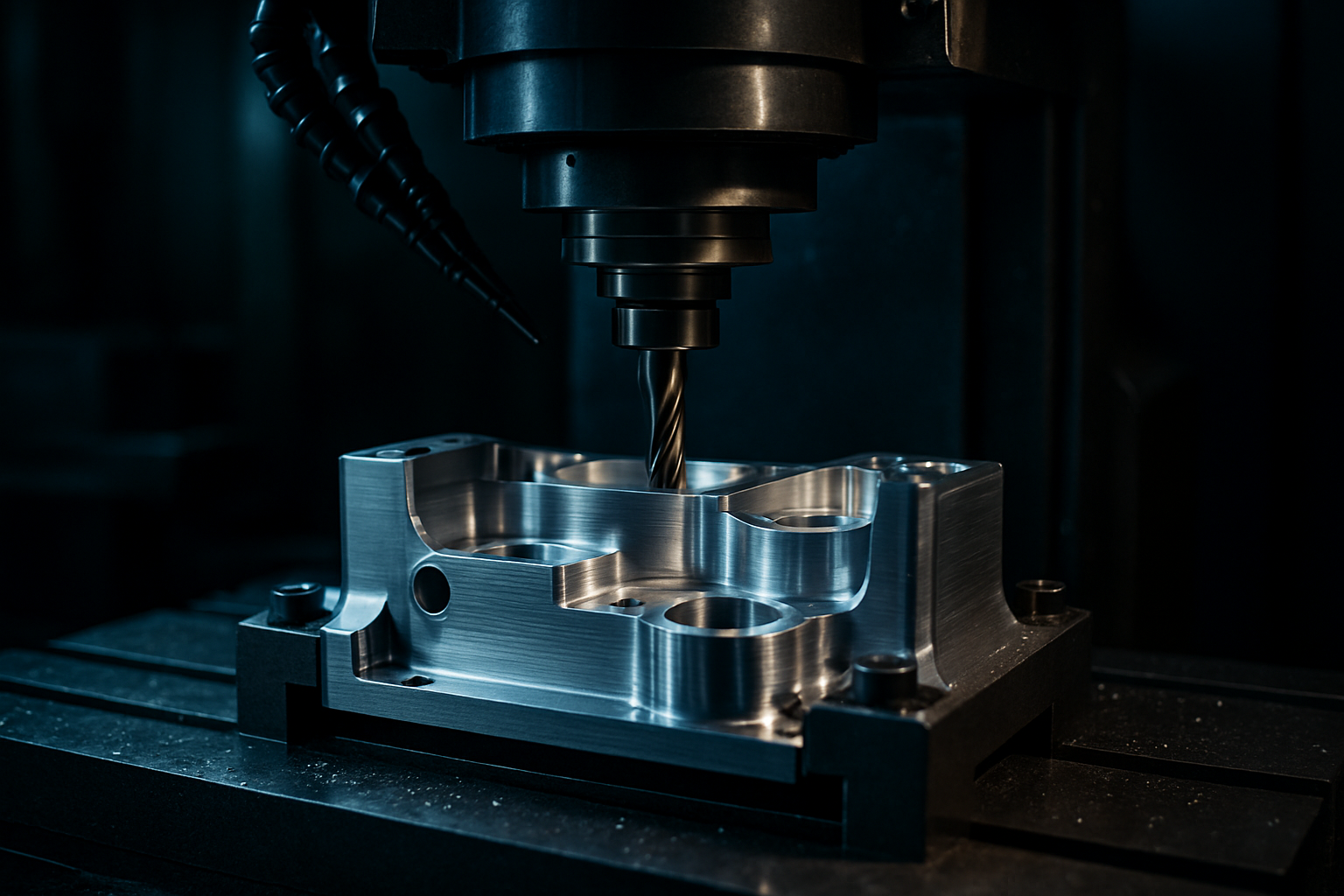
Aluminium 6061 CNC Machining: Properties and Applications for Australian Engineers
Aluminium alloy 6061 is a versatile material widely used in manufacturing due to its excellent strength-to-weight ratio, corrosion resistance, and ease of fabrication. For Australian engineers and procurement managers looking to incorporate 6061 into their projects, this post provides insights on its properties, machining considerations, and common applications.
Properties and Material Recommendations
Aluminium 6061 is an alloy with a balanced combination of mechanical properties and workability, making it suitable for structural components, frames, and precision parts. Here are some key properties:
- Tensile Strength: Around 275 MPa (annealed condition), which increases to approximately 310 MPa after T6 heat treatment.
- Elongation at Break: Typically ranges from 12% to 20%, offering good formability and ductility.
- Density: Approximately 2.7 g/cm³, giving it a lower weight compared to steel.
When selecting Aluminium 6061 for CNC machining:
- Choose when structural integrity is critical but lightweight materials are required, such as in bicycle frames or aircraft components.
- Select T6 heat treatment if you need enhanced mechanical properties over the annealed condition.
- Consider alternatives like 7075 alloy if higher strength is needed, but be aware of its reduced formability and increased cost.
Machining Considerations
CNC machining Aluminium 6061 offers high precision with tolerances typically ranging from IT6 to IT8. To achieve optimal results:
- Feed Rate: Typically ranges from 0.15 mm/rev to 0.35 mm/rev depending on the cutter size and surface finish requirements.
- Spindle Speed (rpm): Usually between 2,000 rpm and 6,000 rpm, which can be adjusted based on material hardness and chip control needs.
Common Mistakes to Avoid
- Overheating: Ensure proper coolant application to prevent workpiece distortion or tool wear.
- Underestimating Tool Wear: Regularly replace worn tools to maintain surface finish quality and machining efficiency.
- Ignoring Material Anisotropy: Recognize that the alloy's properties may vary with grain orientation, especially in extruded profiles.
Applications and Decision Framework
Applications of Aluminium 6061 CNC Machined Parts Include:
- Structural components for construction and transportation
- Frames and fittings in cycling and sports equipment
- Aerospace parts such as brackets and mounts
When deciding on whether to use Aluminium 6061:
- Choose when weight reduction is crucial but structural integrity must be maintained.
- Consider the supply chain reliability: Ensure local suppliers can provide consistent quality, especially for large-scale projects.
Quick Reference: Key Specifications for CNC Machining Aluminium 6061
- Tensile Strength: ~275 MPa (annealed) to ~310 MPa (T6)
- Density: 2.7 g/cm³
- Tolerances: IT6 – IT8
- Feed Rate Range: 0.15 mm/rev - 0.35 mm/rev
- Machining Costs: Approximately $25–45/kg for material, machining costs ~$120–$300/hr
Practical Takeaway
When incorporating Aluminium 6061 into your projects, focus on leveraging its balanced properties and adaptability through proper heat treatment. By understanding the nuances of CNC machining this alloy, you can achieve both performance excellence and cost-effectiveness in your manufacturing processes.
This insight is intended to guide informed decision-making and should be complemented with specific project requirements and local industry standards for best results.
Free quote in 2 business days. No minimum order.