Aluminium 6061 CNC Machining Properties Applications Explained
Rapid Manufacturing
Author
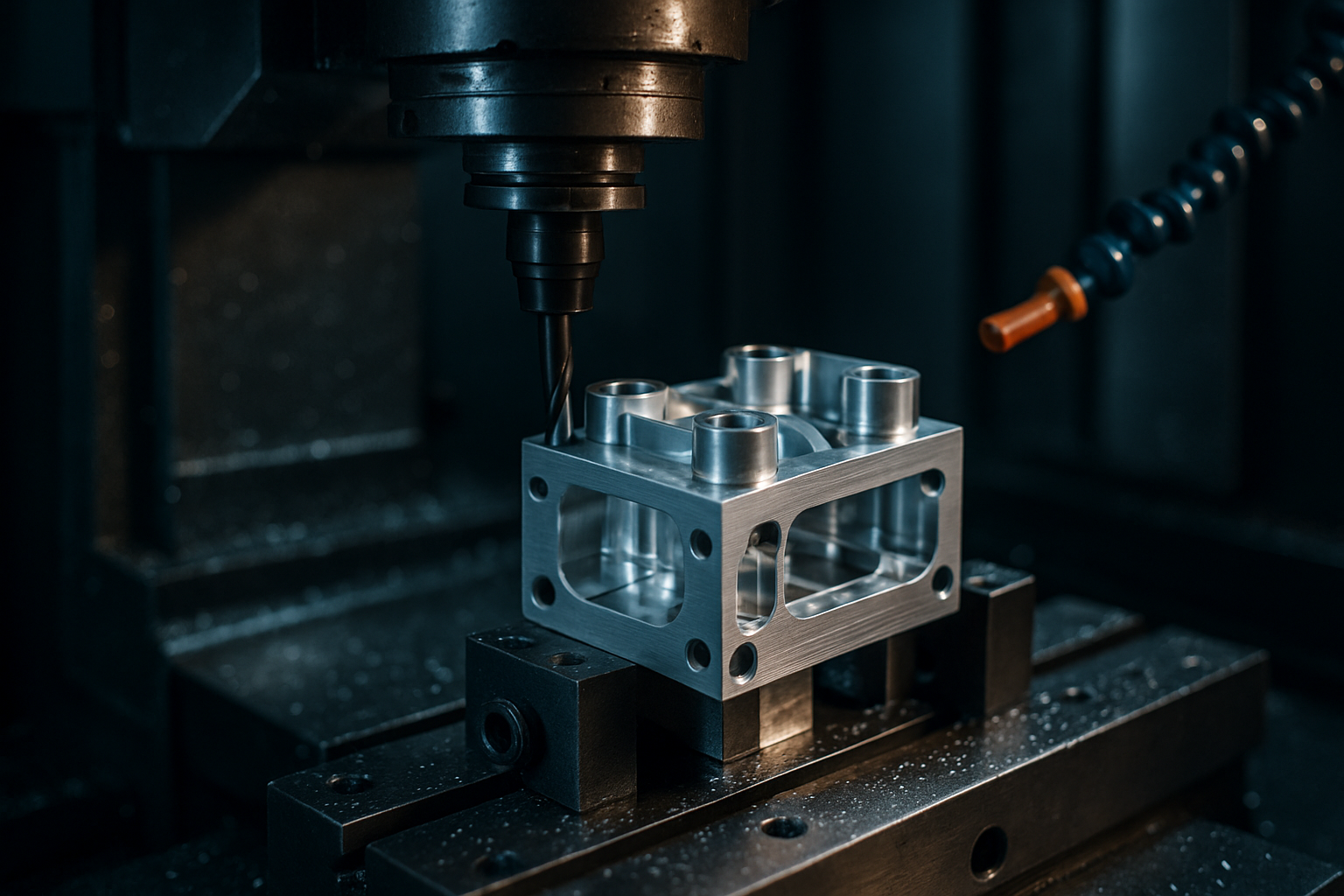
Aluminium 6061 CNC Machining: Properties and Applications for Australian Professionals
Aluminium 6061 is a versatile and popular alloy in CNC machining due to its excellent mechanical properties and corrosion resistance. This alloy finds widespread use across various industries within Australia, from aerospace and automotive to marine and construction.
Key Material Characteristics
- Chemical Composition: Aluminium 6061 contains magnesium and silicon as primary alloying elements, contributing to its strength and corrosion resistance.
- Mechanical Properties:
- Yield Strength: ~250 MPa (annealed)
- Ultimate Tensile Strength: ~310 MPa
- Elongation at Break: >14%
- Hardness: HBW 76–98
Applications and Considerations for Australian Engineers and Manufacturing Professionals
Australian engineers and manufacturers often seek materials that balance strength, weight, and cost-effectiveness. Aluminium 6061 stands out in these criteria:
- Structural Components: Ideal for applications requiring lightweight yet strong parts such as frames, brackets, and supports.
- Marine Applications: Its corrosion resistance makes it suitable for marine environments where saltwater exposure is common.
Actionable Advice:
- When selecting between 6061 and other aluminium alloys like 7075 or 2024, choose 6061 if you prioritize good machinability, weldability, and corrosion resistance over ultimate tensile strength.
- Ensure that the chosen material thickness is adequate for your application. For example, a minimum wall thickness of 3mm might be necessary to avoid brittleness in thin sections under stress.
Common Mistakes to Avoid
- Underestimating Material Cost: Realistic prices range from $25–45/kg for aluminium 6061 billet. Overlooking these costs can lead to budget overruns.
- Ignoring Surface Finish Requirements: Finishes finer than Ra 3.2 μm may require additional polishing steps, increasing machining time and cost.
Decision Framework
When deciding whether to use Aluminium 6061 for a project:
- Choose when you need high formability, weldability, and corrosion resistance.
- Opt out if the application requires extreme mechanical strength or wear resistance beyond what 6061 can offer.
Quick Reference:
- Cost: $25–45/kg
- Mechanical Strength: Yield ~250 MPa, Tensile ~310 MPa
- Corrosion Resistance: Excellent in marine environments
- Machinability: Good (similar to mild steel)
- Minimum Wall Thickness for Structural Integrity: 3mm
Practical Takeaway
For Australian professionals considering Aluminium 6061 CNC machining, understanding the alloy's properties and applications is crucial. By choosing materials wisely based on project requirements, you can enhance product performance while maintaining cost efficiency. Consult with experienced suppliers or machinists to tailor your material choices effectively.
This post aims to provide specific guidance rather than a comprehensive overview, encouraging readers to apply these insights directly in their projects for optimal results.
Free quote in 2 business days. No minimum order.