Unlocking Complex Geometries with 5 Axis CNC Machining
Rapid Manufacturing
Author
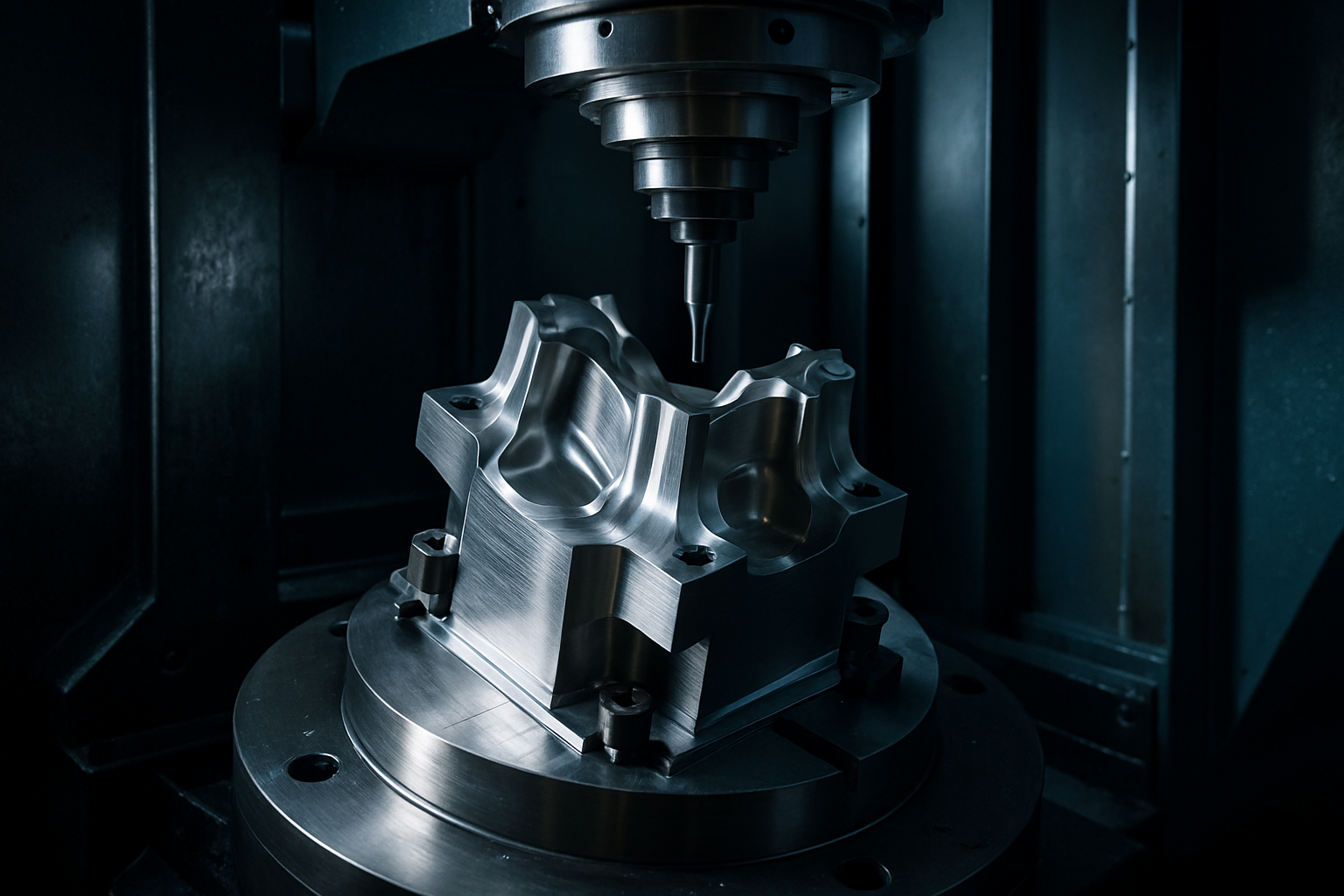
Understanding 5-Axis CNC Machining: A Guide for Australian Engineers and Manufacturers
For projects requiring complex geometries with intricate features, 5-axis CNC machining is often the go-to solution in Australia. This advanced technology enables manufacturers to achieve tight tolerances and high precision on parts that would be difficult or impossible to produce using conventional 3-axis machines.
When to Choose 5-Axis Machining
Tight Tolerances and Complex Geometries: If your part design includes complex angles, intersecting planes, or requires multi-sided machining in a single setup, 5-axis CNC is essential. For instance, aerospace components such as turbine blades often demand tolerances of ±0.02 mm on critical surfaces.
Reduced Lead Times: While initial set-up can be more time-consuming, the ability to machine parts from multiple angles simultaneously reduces overall processing time and minimises material waste. This efficiency is particularly beneficial in industries like medical implants or automotive prototyping where lead times are crucial.
Material Considerations:
- Aluminium 6061: Ideal for lightweight components requiring high strength-to-weight ratios, such as aerospace brackets.
- Stainless Steel 316: Suitable for parts exposed to harsh environments due to its corrosion resistance. Common in marine and chemical processing applications.
- Titanium Ti6Al4V: For demanding industries like biomedical implants and high-performance sports equipment where weight reduction is critical.
Common Mistakes to Avoid
Overlooking Material Properties: Failing to consider the specific mechanical properties of materials like titanium or aluminium can lead to incorrect tooling choices, resulting in premature wear or poor surface finish. Always ensure your material selection aligns with project requirements and consult material data sheets when necessary.
Ignoring Part Design for Machining Efficiency: While 5-axis machines offer flexibility, certain designs may still present challenges due to limited machine access or clamping issues. Optimal part design involves creating features that maximise tool engagement while minimising overhang and reducing the risk of deflection during machining.
Decision Framework: Choosing Between 3-Axis and 5-Axis CNC
-
Choose 3-axis when: The component geometry is simple with straightforward profiles, such as basic cylinders or cubes. Also suitable for batch production where time efficiency is critical.
-
Choose 5-axis when: Complex geometries are involved, necessitating multi-directional machining to achieve precise tolerances and intricate features.
Quick Reference: Key Specifications
- Tolerances: ±0.02 mm
- Material Costs (kg): Aluminium 6061 ~$35/kg; Stainless Steel 316 ~$90/kg; Titanium Ti6Al4V ~$650/kg
- Machine Rates ($/hr): $150–$250/hr
Practical Takeaway
Understanding when and how to utilise 5-axis CNC machining can significantly enhance your project's outcome, especially in sectors like aerospace or medical devices where precision is paramount. By considering the material properties and part geometry early in the design phase, you can maximise efficiency and minimise costs while ensuring compliance with Australian standards and manufacturing realities.
For specific projects requiring a deeper analysis of cost implications and machining feasibility, consulting directly with an experienced 5-axis CNC machinist or engineer will provide tailored advice based on your unique requirements.
Free quote in 2 business days. No minimum order.