3D Printing vs CNC Machining Which Is Right For You
Rapid Manufacturing
Author
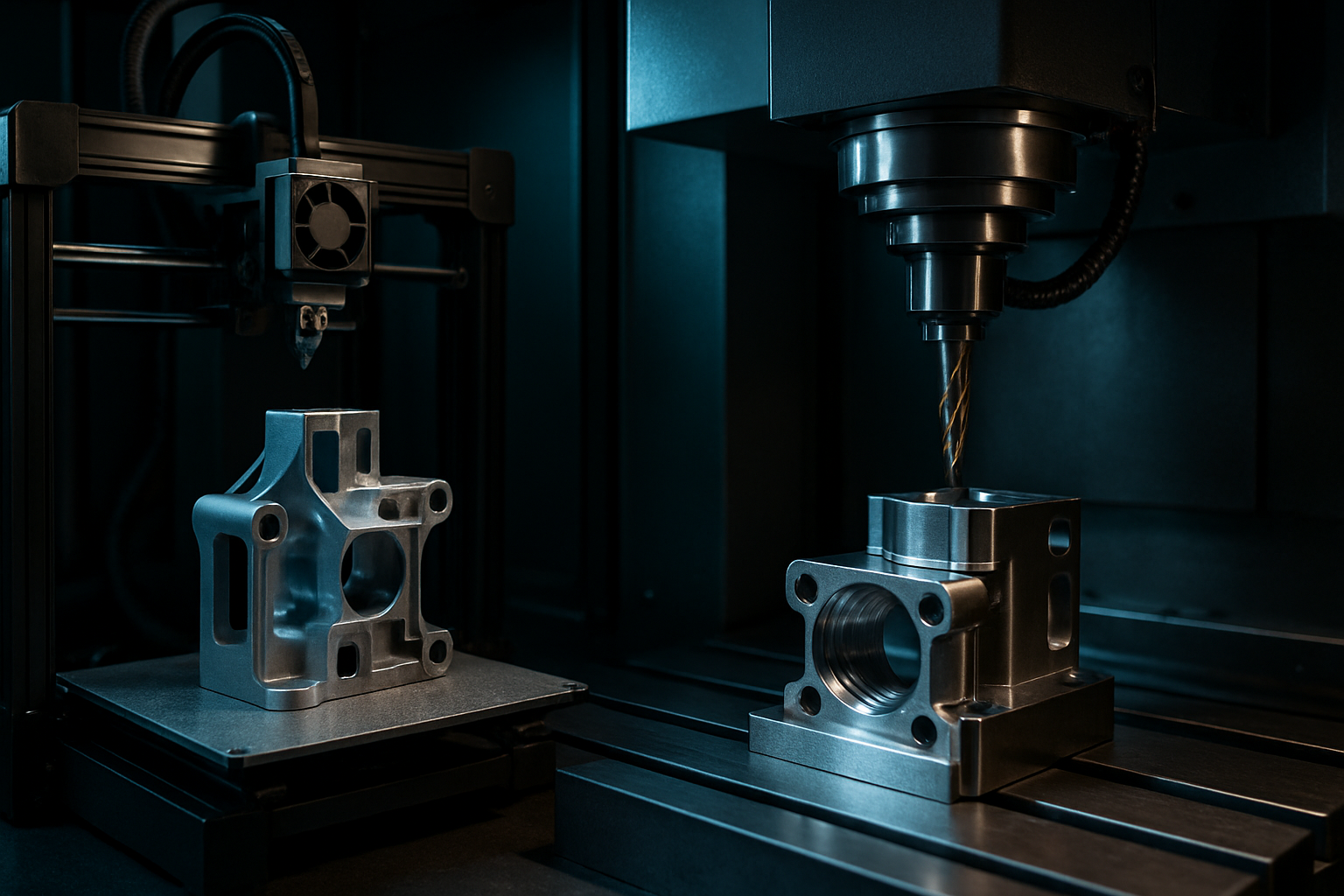
Understanding the Manufacturing Landscape: 3D Printing vs CNC Machining
Australian engineers and manufacturing professionals often face the challenge of selecting between additive manufacturing (3D printing) and subtractive manufacturing (CNC machining). Each method has distinct advantages and trade-offs that are crucial to consider based on project requirements, material types, and production volumes. This post aims to provide actionable insights into choosing the right approach for your Australian context.
Key Considerations: Material Types and Costs
When deciding between 3D printing and CNC machining, one of the first steps is evaluating the material requirements and costs associated with each process.
Material Recommendations
- Aluminium (6061): Ideal for both processes due to its light weight and machinability. For small series production or prototypes, CNC machining can be more cost-effective as it minimizes waste compared to 3D printing.
- Stainless Steel (316L): Both techniques are suitable, but 3D printing offers better flexibility in part design, such as internal lattice structures which cannot be achieved by traditional machining.
- Titanium: High-performance metals like titanium offer excellent mechanical properties and corrosion resistance. CNC machining is more commonly used due to the material's cost and its suitability for high-tolerance parts.
- Plastics (PEEK): 3D printing excels with thermoplastics, providing rapid prototyping capabilities while maintaining high strength-to-weight ratios.
Cost Analysis
Material costs vary widely:
- Aluminium 6061 billet ranges from $25 to $45 per kilogram.
- Stainless Steel 316L is more expensive at approximately $70 to $130 per kilogram.
- Titanium can range between $500 and $800 per kilogram.
CNC machining rates in Australia typically fall within the range of $120–$300 per hour, depending on machine type. This rate includes material removal and setup time.
Decision Framework: When to Choose Which Method
Choosing between 3D printing and CNC machining often comes down to specific project requirements:
-
Choose CNC Machining when:
- High precision is critical (tolerances of ±0.1 mm).
- Working with dense metals like stainless steel or titanium.
- Producing a large number of identical parts.
-
Choose 3D Printing when:
- Complex geometries and internal structures are necessary.
- Rapid prototyping in plastic or metal is required to test design concepts quickly.
- You need to reduce material waste.
Common Mistakes to Avoid
-
Underestimating Material Costs: Always verify the cost of raw materials early in the project planning stage, especially for expensive metals like titanium and stainless steel.
-
Neglecting Lead Times: CNC machining can have longer lead times compared to 3D printing due to setup requirements. Ensure this aligns with your production schedule.
-
Ignoring Post-Processing Needs: Both processes often require additional steps such as sandblasting, heat treating, or coating which add costs and time.
Quick Reference: Key Decision Points
- Material type (aluminium, stainless steel, titanium, PEEK)
- Precision requirements (tolerances ±0.1 mm vs more relaxed)
- Production volume (small batches vs mass production)
- Part complexity (simple shapes vs intricate geometries)
By considering these factors and leveraging the specific strengths of each process, Australian manufacturing professionals can make informed decisions that align with project objectives while optimizing costs.
Practical Takeaway
When faced with a new project, start by identifying key material and precision requirements. Then, evaluate whether you need rapid prototyping flexibility or high-volume production efficiency. By applying this structured approach, you can choose the most effective manufacturing method for your Australian context, ensuring both quality and economic viability.
Free quote in 2 business days. No minimum order.