Which Is Right For You 3D Printing Or CNC Machining
Rapid Manufacturing
Author
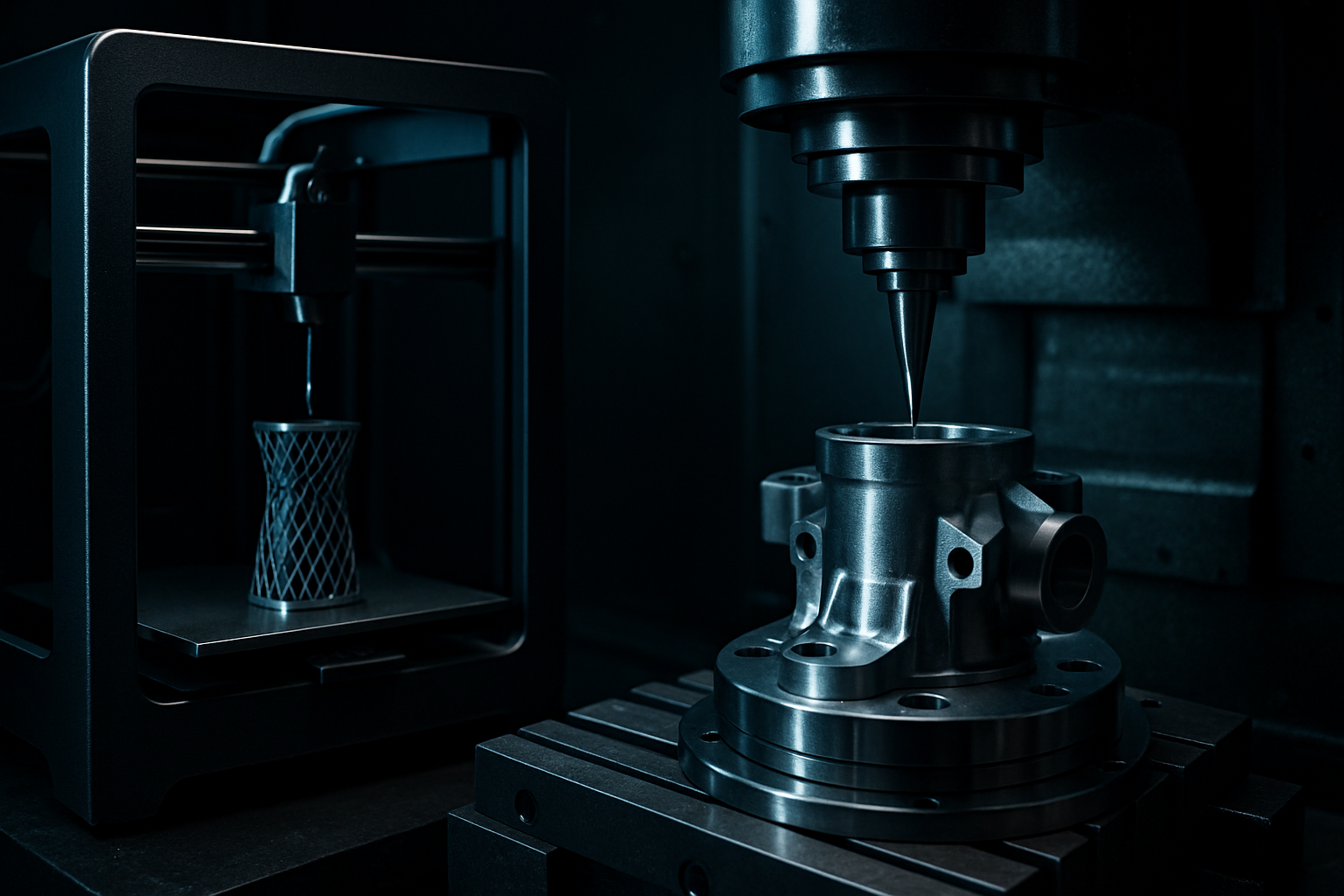
Choosing Between 3D Printing and CNC Machining for Australian Engineers
Australian engineers and manufacturing professionals often face a critical decision: whether to opt for 3D printing or CNC machining when producing parts and prototypes. Both methods have unique advantages and drawbacks that align differently with various projects' requirements. This guide aims to provide actionable insights, helping you choose the most suitable manufacturing method based on specific project needs.
Understanding the Capabilities of Each Method
3D Printing (Additive Manufacturing):
- Pros: Ideal for complex geometries, rapid prototyping, and low-volume production runs.
- Cons: Limited material options compared to CNC machining; typically slower build times.
- Material Recommendations:
- For strength and heat resistance: PEEK (Polyether Ether Ketone) is a popular choice due to its durability in harsh environments (~$800–1,600/kg).
- For lightweight applications: Aluminium or Titanium alloys can be used but require higher expertise and cost (~$25-45/kg for Al, ~$500-800/kg for Ti).
CNC Machining (Subtractive Manufacturing):
- Pros: High precision, excellent surface finish, and a wider range of material options.
- Cons: Less efficient for complex internal geometries or extremely large parts; higher material waste in some cases.
Key Considerations When Choosing
When deciding between 3D printing and CNC machining, consider the following factors:
Complexity of Design: Choose 3D printing when your design includes intricate features that are difficult to machine. CNC is better for simpler geometries where precision is critical.
Material Requirements: For projects needing specific material properties like high tensile strength or corrosion resistance in marine environments (common in Australia), CNC machining offers a wider range of materials including stainless steel and titanium (~$70–130/kg for SS, ~$500-800/kg for Ti).
Volume and Cost: For small batches, 3D printing can be cost-effective due to minimal material waste. However, as volume increases, CNC machining becomes more economical when considering the lower per-unit costs.
Common Mistakes to Avoid
- Overlooking Post-Processing: Both processes often require secondary operations like surface finishing or heat treatment that can add significant time and cost.
- Ignoring Material Properties: Selecting materials without considering their mechanical properties can lead to failed prototypes or parts. For instance, using PEEK for a part requiring high thermal conductivity would be inefficient.
Quick Reference: Key Specifications
- Lead Times: 3D printing typically takes days to weeks depending on complexity; CNC machining varies from hours to several days.
- Tolerances:
- 3D Printing: ±0.15 mm for most plastics, ±0.2 mm for metals.
- CNC Machining: ±0.05 mm (±0.002 in) is achievable with careful setup and tooling.
- Material Costs:
- PEEK, Stainless Steel, Aluminium, Titanium are among the more expensive options.
Practical Takeaway
When selecting between 3D printing and CNC machining for your next project, carefully weigh the balance of design complexity against material properties and production volume. This decision can significantly impact both cost efficiency and time-to-market in Australia’s competitive manufacturing landscape.
Free quote in 2 business days. No minimum order.